
When the classroom becomes too loud: The rising crisis of sensory overload in UK Schools
Dean Cook discusses the impact of sensory rooms in Doncaster schools.
For thousands of children across the UK, school isn’t just a place of learning, it’s a daily battle against an invisible force.
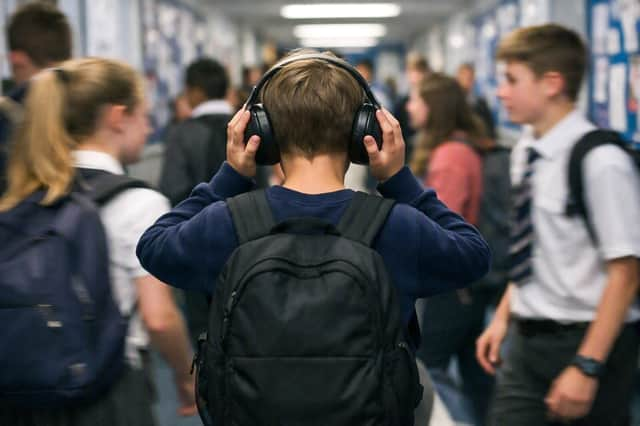

Sensory overload, a neurological response triggered by noise, light, movement and unpredictability, is quietly shaping the lives of autistic and neurodivergent pupils.
And for many families, the consequences are devastating.
In classrooms filled with chatter, scraping chairs, flickering lights and sudden transitions, some children experience a level of overwhelm that adults rarely see.
Their hearts race. Their skin prickles. Their hearing sharpens until every sound feels like a siren. The world becomes too bright, too loud, and too fast.
And yet, from the outside, it often looks like ‘behaviour’.
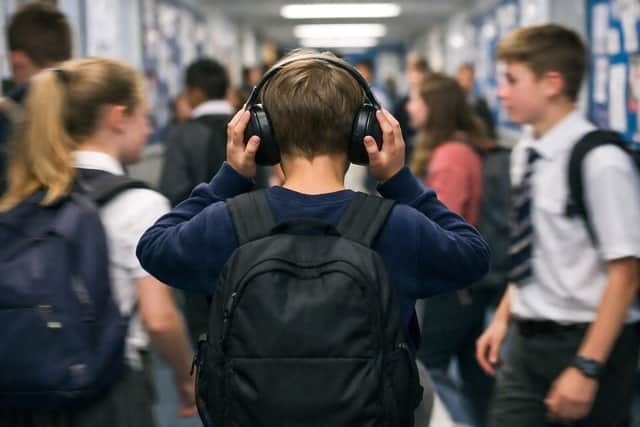
Teachers see a child shutting down, melting down, or running out of the room.
Parents receive calls about incidents, refusals, or anxiety.
But, beneath every moment of dysregulation is a nervous system pushed past its limit.
Across the country, schools are struggling to respond.
Many rely on empty ‘quiet rooms’ or unused breakout spaces, well-intentioned but ineffective.
These rooms often lack the sensory design needed to regulate a child in distress.
As one SENDCO in Yorkshire put it, “We had a space, but it wasn’t helping. It wasn’t built for sensory needs. It was just a room.”
That’s where sensory spaces are changing the story.
In Doncaster and around the UK, a growing number of schools are turning to specialist sensory environments, rooms designed with calming light, tactile features, soft seating, and interactive elements that help children regulate their emotions and reconnect with learning.
These spaces aren’t about isolation. They’re about support and empowerment.
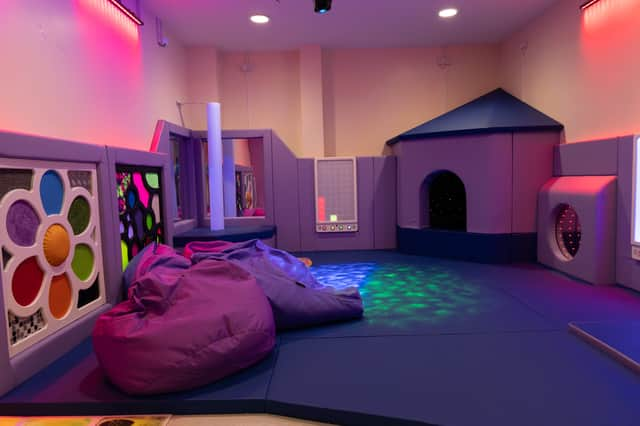
“When a child walks into a sensory room, you can see the tension leave their body,” says one primary school teaching assistant.
“They breathe differently. They speak differently. They’re able to come back to class ready to learn.”
The impact is measurable. Schools report fewer behaviour incidents, smoother transitions, improved attendance for anxious pupils, and stronger relationships with families who finally feel understood.
For children who once hid under tables or froze during lessons, sensory spaces offer something they’ve never had before, safety.