
Doncaster Council reveals target to halve number of people killed or seriously injured on local roads

Doncaster’s new strategy will work towards an ambitious “Vision Zero” target that no one is killed or seriously injured on the road.
The City of Doncaster Council has revealed ambitious targets to halve the number of people killed or seriously injured on local roads by 2032.
Residents can expect to see “fewer serious collisions” and “improved quality of life” under the council’s new Road Safety Strategy, set to be approved by Mayor Ros Jones’ cabinet this week.
The new strategy sets out an “ambitious and evidence-led plan” to “improve safety across Doncaster’s transport network”, Mayor Jones said in a statement.
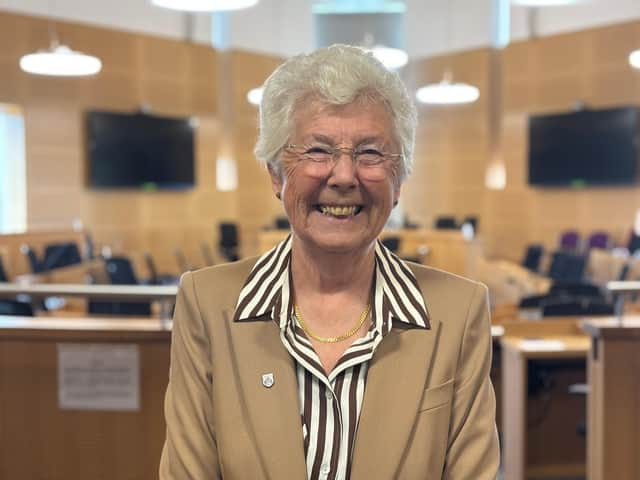

She explained: “Among other things, it will see us making improvements to highways infrastructure, working closely with partners to crack down on speeding and dangerous driving, and generally taking proactive steps to ensure that everyone can keep moving safely around Doncaster.
“At the heart of all this activity will be Vision Zero, an international framework that strives for a future where no one is killed or seriously injured on our roads.”
All road users, including drivers, will experience “safer journeys” and streets will be designed to enhance protection for “vulnerable road users” such as pedestrians, cyclists, motorcyclists, children, older people.
The council aims to reduce the number of vulnerable road user casualties by 30 per cent by 2032, as well as more than 90 per cent compliance with speed limits on Doncaster’s key routes.
The strategy was welcomed by Reform UK Doncaster leader, Councillor Howard Rimmer, who said his party supports the council’s aim to reduce the number of people killed or seriously injured on the city’s roads by 50 per cent.
He said: “We support sensible, evidence-led measures that make our roads safer, but Vision Zero must not become a justification for blanket restrictions on responsible motorists.
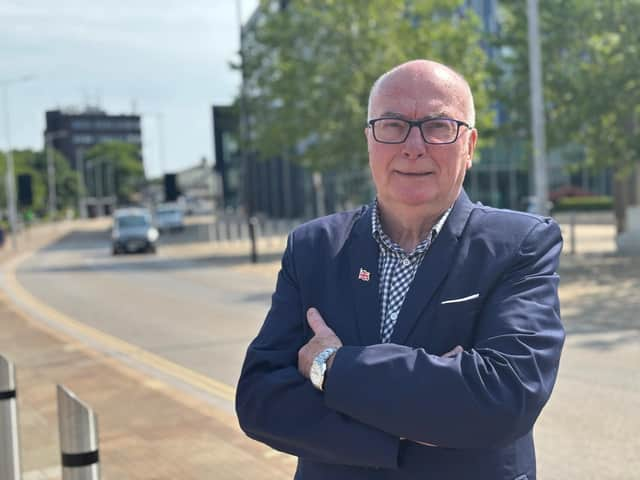
“Residents and ward councillors often know where speeding and dangerous driving are problems before a serious accident occurs. Their concerns must be listened to and acted upon.
“We will judge this strategy on results, safer roads, fewer casualties and targeted investment where it is genuinely needed. Road safety should be about saving lives, not unnecessarily restricting responsible motorists.”
According to the South Yorkshire Mayoral Combined Authority, around 40 people are killed every year on the region’s roads, with more than 800 seriously injured.