
Five ways to help Doncaster pets beat the firework fright this Bonfire Night
WITH fireworks season approaching, vets are sharing five simple steps to help keep Doncaster pets calm, safe and secure when the bangs and flashes begin.
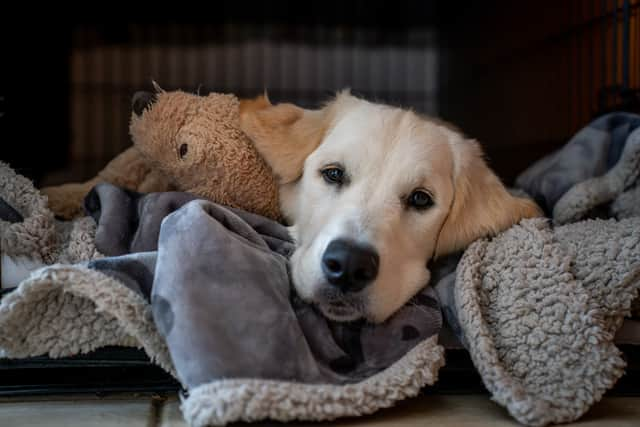

While fireworks can be exciting for people, they can be frightening for pets, triggering fear, stress and anxiety. From creating a safe haven at home to knowing when to seek extra support, a few simple steps can make a real difference to animals who struggle with the noise and unpredictability of fireworks
VetPartners, a veterinary group with veterinary practices across the UK including Arundell Vets in Doncaster, is helping owners prepare for 5th November by sharing advice to help avoid pets becoming frightened.
At this time of year, VetPartners veterinary practices receive enquiries from owners who are worried how their pets will react to fireworks.
Pets who are affected by fireworks may tremble, whimper, bark or howl and pace around the room. Other signs of fear include scratching at the carpet, trying to hide in dark or small spaces and tucking their tail between their legs.
VetPartners vet Amy Jennings says being forewarned, well prepared and having a plan to follow is the best way to help your pet.
Amy said: “A lot of pets are severely affected around Bonfire Night, but the good news is there’s lots you can do to make them feel safer. One of the most important things is to stay calm yourself and act as normal as possible, because pets feed off our emotions and this will help reassure them that there’s nothing to worry about.
“Let them hide if they want to and avoid shouting or raising your voice because they will already be frightened and any loud or agitated behaviour could make them feel worse. They’ll also feel safer if you stay in the house with them and be mindful that even pets that have not previously shown a fear of loud noises can become sensitive.
“If you feel your pet gets particularly anxious and may benefit from medication to help with this, reach out to your own vet practice for an appointment.”
Amy added: “Every year, pets go missing after they’ve been spooked by fireworks, so keep yours indoors. It’s a good idea to make sure they are wearing a collar with an identity tag attached, just in case they do bolt. It’s also a good time to check your details are up to date on the relevant microchipping database, especially if you’ve moved or changed your phone number, to ensure you can be contacted if someone finds your pet.”
Five steps to a stress-free firework night
1. Perfect preparation: You can best protect your pet if you know where and when displays might be happening, so check local news websites and social media, and look out for posters or banners outside possible venues. If you’re really worried about a sensitive pet, ask neighbours if they are going to let off fireworks, or pop a message on local Facebook groups asking people to let you know what’s happening. This year, November 5th is on a Wednesday, which means there could be smaller or private displays midweek, followed by bigger events the following weekend. While you can do your homework, also prepare for the unexpected and be ready to swing into action if loud bangs suddenly begin.
2. Adapt your pet’s routine: Following a regular routine helps pets feel settled and secure, but on Bonfire Night it’s fine to make small changes. Aim to walk dogs well before the bangs and flashes start and, if they usually need to go into the garden to go to the toilet during the evening, encourage them to do this earlier. Some pets can get so worried by noise they lose their appetite, so it can be sensible to bring dinner time forward, too.
3. Create a safe space: Prepare your home by closing curtains, windows and outer doors and securing catflaps, however leave internal doors open so pets don’t feel trapped. You can help your dog feel safer by creating a den where they can take refuge if they want to, which could be in their crate or a space such as under a table. Add cosy bedding they can snuggle into, pop a favourite toy inside and offer nutritious treats to distract them. Draping heavy blankets or duvets over the top and sides of the den can help muffle the sound of the fireworks. Pheromone sprays and diffusers, which slowly release calming artificial pheromones, can also help but you’ll need to start using them in advance. Don’t forget small pets like rabbits and guinea pigs, who can be brought inside or their hutch moved into the garage, with blankets draped over to help block out noise and flashing lights. They’ll appreciate some extra hay or straw to burrow down into.
4. Choose the right soundtrack: You can help desensitise pets by playing firework sounds to them in the run-up to Bonfire Night. Start with short sessions with the volume low at first, then gradually increase it over several days, but never make it loud enough that it could scare your pet. When fireworks are going off, try creating a distraction by putting on the TV or playing music. Classical music is well known for helping soothe pets or consider playing a recording of Japanese Taiko drumming - it has a deep, steady rhythm that’s similar to the low-frequency soundwaves of fireworks and can help mask them. Introduce it to your pet before Bonfire Night, though, so it’s something they’re already used to.
5. Seek advice from your vet: Your veterinary practice can be a great source of advice and support to help calm anxious pets, and if your pet is particularly upset by loud noises, it’s a good idea to speak to them as soon as possible. They will be able to recommend supportive treatments and products that may help.