
UK 'going through a transition', says Climate Minister quizzed on huge Whitestone Solar Farm project
The UK is going through a transition and needs to take advantage of the declining price of solar, the climate minister has said.
The Local Democracy Reporting Service (LDRS) asked Katie White MP how public opposition from local councils will be taken into account when her Government department considers proposals for the Whitestone Solar Farm project in South Yorkshire.
She said: “As you know, it’s a planning decision and I have to be really careful. I’m not allowed to talk about planning decisions, we have to take that issue very seriously.
“What I will say is the price of solar has come down massively and I want us in Britain to be able to take advantage of that.”


Plans for Whitestone Solar Farm, which are yet to be submitted to the Department for Energy Security and Net Zero (DESNZ), has come under intense scrutiny in recent weeks from local MPs and the local authorities in Rotherham and Doncaster.
The solar farm will be built across thousands of hectares of South Yorkshire countryside, with two sites in Rotherham and one near Conisbrough, Doncaster.
In November, both the City of Doncaster Council and Rotherham Metropolitan Borough Council passed motions expressing they do not support the solar farm and urging the developers to “withdraw” the current proposals and scale them back.
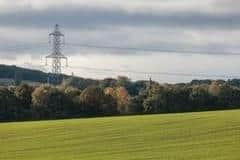
Rotherham Council has publicly raised several concerns about the proposals, warning that early plans fail to fully address impacts on wildlife, heritage assets, landscape character, farmland and landfill safety. In a report to the planning board, officers criticised gaps in the developer’s environmental assessments, strongly opposed possible cabling through Maltby Landfill, and highlighted worries over visual intrusion, listed buildings and ecological loss.
Similarly, the motion passed in Doncaster, which includes many points carried over from the earlier Rotherham motion, suggests the project brings added flood risk to the area.
It read: “Large-scale solar development on farmland significantly increases flood risk by reducing soil permeability, compacting land during construction, and accelerating surface water runoff into the River Don system.

“This poses a serious threat to communities such as Parkgate, Old Denaby, Conisbrough, Hooton Roberts, and Mexborough, which already experience severe flooding.”
Additionally, MPs in Rotherham, including the Defense Secretary and Rawmarsh and Conisbrough MP John Healey, have each issued statements opposing the plans.
Healey’s statement, also released in November, described Whitestone as “the wrong scheme in the wrong place”.
White, who works under Doncaster North MP and Secretary of State Ed Miliband, told reporters: “We always want to make projects work as well as they can locally, but we are going through a transition.
“I think it’s also part of our job to explain what that transition is for, and what the opportunities are, and how to do that, whether it’s around pricing or whether it’s around working people.”
As the Secretary of State for Energy Security and Net Zero, Miliband will be the final decision maker on the Whitestone project once the plans are submitted.
The solar farm is considered a Nationally Significant Infrastructure Project, which is why the planning decision will be made by the Government, not local authorities.
Responding to the motion passed by Doncaster Council against the Whitestone project, a spokesperson for the developers said: “Whitestone Solar Farm is a proposed solar development that is still in early stages of development.
“We have not yet submitted our application for development consent to the Government, but are planning to do so next year, with updated proposals that have been refined by feedback from this consultation and results of ongoing environmental assessments.
“We have committed to a community benefit package to ensure there are local benefits from the project. We have proposed £400 per megawatt, which would amount to £300,000 per year or £18 million for the lifetime of the project, based on the grid connection of 750 MW and maximum lifespan of 60 years. We want to continue to refine our proposals for community benefit in collaboration with the community and local stakeholders, and look forward to further engagement on this issue.
“In order to meet national targets for renewable energy, large scale projects like Whitestone are needed, however, we also continue to support the rooftop revolution and continue to develop our rooftop solar business.”