
How Donald Trump's tariffs and war in the Middle East are driving up costs for Doncaster taxpayers

Doncaster Council can only borrow to fund capital investment, such as building council houses.
Ongoing conflict in the Middle East and US tariffs on the United Kingdom are increasing costs for the council taxpayer in Doncaster.
Interest rates on borrowing taken by local authorities from the UK Government, through the Public Works Loan Board (PWLB) are heavily influenced by global economic issues.
A recent City of Doncaster Council report describes PWLB rates as “very elevated and volatile” due to “the introduction of trade tariffs by the USA and the more recent conflict in the Middle East”.
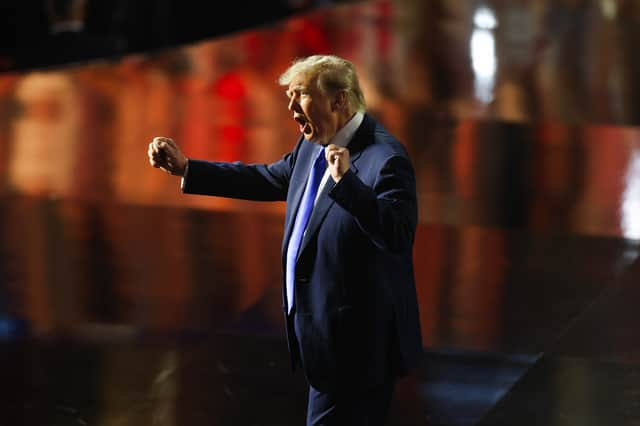
The report lays bare how President Donald Trump’s second term in the White House has had an impact down to local council level in the UK.

It said a key risk facing the council’s Treasury Management Strategy was that the council “could be unable to borrow when funding is required due to adverse market conditions and/or budgetary restraints”.
Higher interest rates on council borrowing increases the costs of those loans on the Doncaster rate-payers.
Debbie Hogg, executive director of corporate resources, said: “Doncaster Council, like many local authorities, undertakes borrowing to fund capital investment that delivers long-term benefits for residents and communities.
“Local authorities cannot borrow to fund day-to-day expenditure. All borrowing decisions are supported by rigorous due diligence to ensure they are affordable, prudent, sustainable and in the best interests of local taxpayers, in line with statutory regulations.”
Most of the borrowing undertaken by Doncaster Council is used to fund capital investment in new council housing, which in theory will then house tenants and generate income.
Councils also borrow money from each other, known as the Local Market, and the Doncaster Council report states “rates are more favourable in the Local Market than PWLB” at current.
The temporary borrowing by the council so far this financial year has been from the Local Market, where the authority is seen as a “reputable option” as a borrower meaning the it has had “no difficulty securing temporary funding”.
However, UK local authorities could eventually need to turn to the UK Government and PWLB more to borrow money.
The council report states: “There are significantly more borrowers than lenders in the Local Market now as reserves/balances held by local authorities are decreasing nationally due to the impact of social care and homelessness pressures and Dedicated Schools Grant (DSG) deficits, therefore there is less cash to lend.”
Doncaster Council’s borrowing at the end of the first quarter of 2026/27 sits at just over £495million, down £4.1m on the start of the year.