
Doncaster Council: Labour cabinet approves new "radical efficiency" programme in finance review

The City of Doncaster Council is to introduce a new programme to boost efficiency in spending and improve service outcomes, the cabinet has agreed.
The ‘Radical Efficiency and Innovation Programme’ (REIP) will set a framework for the council to respond to financial pressures and develop “innovative efficiencies” in the delivery of services.
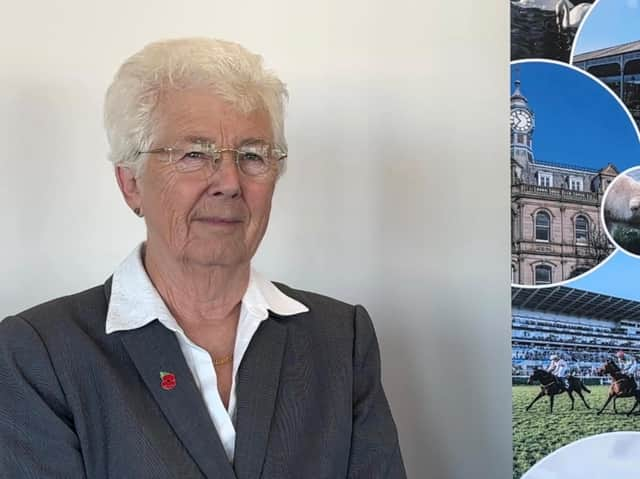
A Labour spokesperson denied the programme is a copy of Reform UK’s ‘DOGE’, as Mayor Ros Jones told the cabinet meeting: “I must emphasise that this programme will be focussed on improving outcomes rather than simply looking to cut costs.
“It will also focus on encouraging people to live healthier for longer, and being able to stay in their own homes rather than going into care.”

It is understood that the REIP was an idea fashioned by senior staff, rather than the Labour administration, first floated under a different name at the authority’s Local Government Association (LGA) review in 2022.
REIP was announced as part of a review of the authority’s Medium-Term Financial Strategy (MTFS), which was originally agreed in February as part of the council budget.
A Reform UK spokesperson said the programme was a “Reform UK rip-off”, adding: “REIP has been stitched together by highly paid public officers who have never had to deliver efficiencies in the real world. They talk about ‘innovation’ while creating yet another layer of management to study problems instead of fixing them.”
The party’s group leader, Councillor Guy Aston, has previously said he had no intention of bringing DOGE to Doncaster, calling it a “cheap stunt”.
The MTFS currently shows the council at a balanced financial position through the 2026/27 to 2028/29 period.
However, Mayor Jones told cabinet that Doncaster Council’s Core Spending Power (CSP) had reduced by 20 per cent in real terms since 2010, five per cent more than the English average.
CSP is the preferred measurement of Government to evaluate the “theoretical resources” available to an authority and is determined using the funding settlement from central Government and council tax income.
Jones informed cabinet the reduction is equal to nearly £300 per person.
The officer report for the MTFS review revealed it is now “assumed” that council tax will increase by 4.99 per cent, the maximum, every year, including two per cent for the Adult Social Care precept.
£16.7million is added to the MTFS as a result of the assumed tax increases, however, the LDRS understands the report details the “worst case scenario”.
“70% of council spending is on Adults and Children’s Services and this is likely to increase further in years to come due to our ageing population and rising costs for complex children’s services including SEND. We are expecting to see increased funding from Government, however, this will not fully cover the rising costs,” Jones said.
In February’s budget, the council once again avoided increasing council tax by the maximum amount, unlike many councils across the country.
Speaking in the chamber, Mayor Jones added: “There will of course be difficult decisions to make, however, we are a financially well managed council, with the lowest council tax in Yorkshire and one of the lowest across the country.”