
Uptake of children's MMR vaccine in Doncaster continues to drop after Covid pandemic
The number of Doncaster parents not getting their children vaccinated against measles, mumps and rubella is continuing to increase following the Covid pandemic, new figures have revealed.
Uptake of the MMR jab in the city now stands at just 82.1% – far below the 95% target.
In 2022-23, the figure was 84.2%, with figures dropping since the Covid pandemic due to “vaccine hesitancy,” officials have said.
It comes as cases of infection rise across the country.
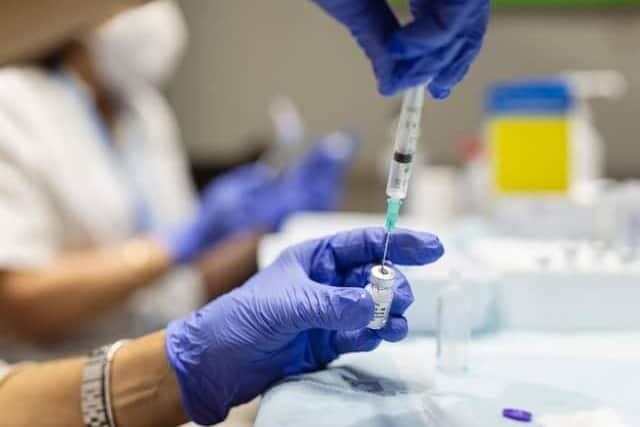

The growth of 'vaccine hesitancy' has led the UK Health Security Agency to launch campaigns aiming to boost uptake as cases of measles and whooping cough are surging across the UK.
Figures show 82.1 per cent of five-year-olds in Doncaster had both doses of the MMR vaccine last year. The jab protects against measles, mumps and rubella.
Steve Russell, NHS England’s director of vaccinations and screening, said: "Measles is one of the most infectious diseases in the world and can cause serious harm to adults and children of all ages.
"But the NHS MMR vaccine gives life-long protection against becoming seriously unwell, so with cases of measles on the rise, it is not worth the risk of going without this vital protection."
Dr Gayatri Amirthalingam, consultant medical epidemiologist for immunisation at UKHSA, added: "Anyone who is not vaccinated against measles can catch it.
"Being unvaccinated also means you risk spreading the disease to others, including those at greatest risk of becoming seriously ill – like infants, who aren’t able to receive their MMR vaccine until their first birthday, pregnant women and those with a weakened immune system."
Similarly, uptake of the six-in-one vaccine – which protects against whooping cough and polio – has also fallen nationally.
Whooping cough cases are on the rise as well, with 553 confirmed in England in January alone - compared with 858 cases for the whole of last year.
Dr Amirthalingam said: "Whooping cough can affect people of all ages but for very young infants, it can be particularly serious.
"However, vaccinating pregnant women is highly effective in protecting babies from birth until they can receive their own vaccines.
"Parents can also help protect their children by ensuring they receive their vaccines at the right time or catching up as soon as possible if they have missed any."
Vaccination rates have fallen for the fifth year in a row, the new NHS figures show.
It means children are at risk of deadly diseases that have been off the radar for decades – and uptake of the MMR jab is now at a 15-year low.
Health chiefs reckon parents are either not bothering to have young ones vaccinated or being spooked by fake news about jabs that is spread online.
Dr Helen Stewart, of the Royal College of Paediatrics and Child Health, said: “Vaccine hesitancy may be an issue in some instances, but evidence shows that accessibility and availability of health appointments plays a huge role in low uptake.”
Dr Vanessa Saliba, of the UK Health Security Agency, said: “Childhood vaccines prevent babies and children from suffering needlessly and can be life-saving.
“It only takes one case of measles to get into a school or nursery where many children are unprotected for numbers to suddenly surge.
“It's never too late to catch up.”