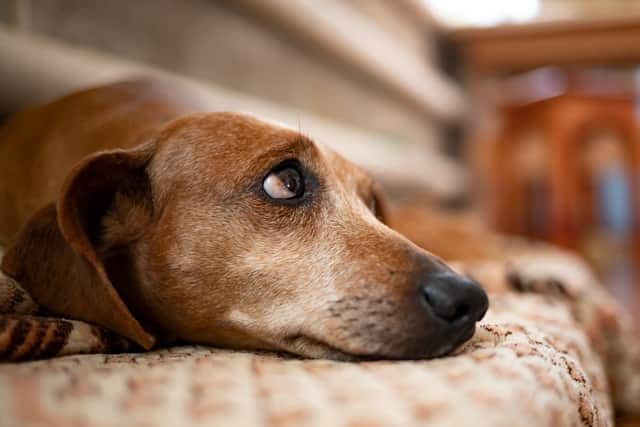
Thorne vet explains why dogs react differently to fireworks
A local vet is urging dog owners to see fireworks through their pets’ senses, after explaining why one dog may appear unbothered while another becomes distressed, restless or tries to get away.
Dogs hear and experience the world differently from humans. They can detect sounds from around four times further away and hear higher frequencies, meaning fireworks may arrive with far less warning than people realise.
Kathryn Holt, Head Vet at Evolution Animal Care Veterinary Centre, said the reaction is not simply a matter of a dog “making a fuss”. Research suggests there are genuine physical changes taking place when dogs are frightened by fireworks.
“We experience fireworks knowing exactly what they are, when we're likely to hear them and that they aren't a threat. Our dogs don't have that explanation.
“Imagine suddenly hearing an extremely loud, unpredictable noise when you don't know where it has come from. For some dogs, their body responds as though there is something they need to protect themselves from. These aren't dogs being naughty or overreacting. They can be outward signs of a very real fear response.”
Studies involving dogs with a history of firework sensitivity have found differences in their autonomic nervous system response when they were exposed to recorded firework sounds. Behaviours linked to that response include hyper alertness, searching for the sound, trembling, freezing, barking, hiding and trying to run away.
Not every frightened dog is obviously upset. Some show quieter signs such as pacing, restlessness, panting, leaving a room, choosing an unusual place to lie, refusing food or seeking attention. Kathryn Holt said these dogs may be overlooked, but that does not mean they are comfortable.
She said there is no single reason why dogs react in the same way. Genetics, age, health, previous experiences and learning may all play a part, and pain can also make some dogs more sensitive to noise. If a dog suddenly develops a noise phobia, veterinary checks are recommended.
“Owners sometimes wonder why their new puppy is frightened when their previous dog wasn't, or why two dogs living in exactly the same household react completely differently. Fear can also change during a dog's lifetime. So, if a dog suddenly develops a sensitivity to noise when it hasn't been frightened before, I'd recommend talking them to your vet,” Kathryn Holt added.
She also said owners can help by creating a safe place for their dog to retreat to, closing curtains to reduce flashes, providing background noise and keeping dogs indoors while fireworks are being let off.
Dogs should be allowed choice, she said, as some will want reassurance while others prefer to hide away.
For dogs with established firework fears, longer-term support can include carefully managed desensitisation and counterconditioning, along with veterinary assessment, behavioural support and appropriate anti-anxiety medication.
Owners are being urged not to wait until Bonfire Night itself to seek help if they know their dog struggles with fireworks.