
Doncaster Welcomed Hungarian Refugees From The 1956 Hungarian Uprising
Seventy years after the Hungarian Uprising, the remarkable story of a young man who left home on 26 October 1956 — and never returned
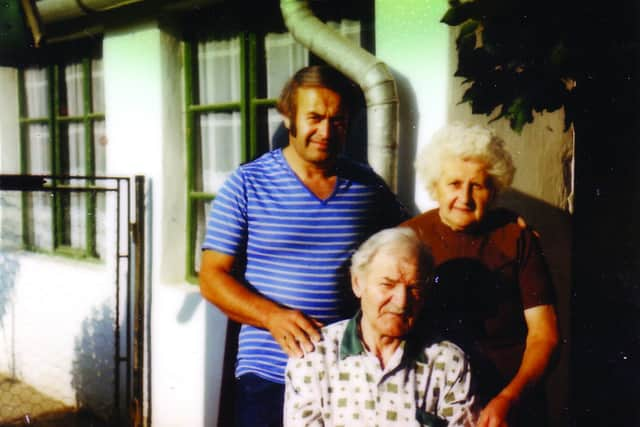

On 26 October 1956, 19-year-old John Bognar left his family home in the small village of Újudvar, near Nagykanizsa.
He left as he did most days, apparently heading to work at a grocer’s shop in Nagykanizsa.
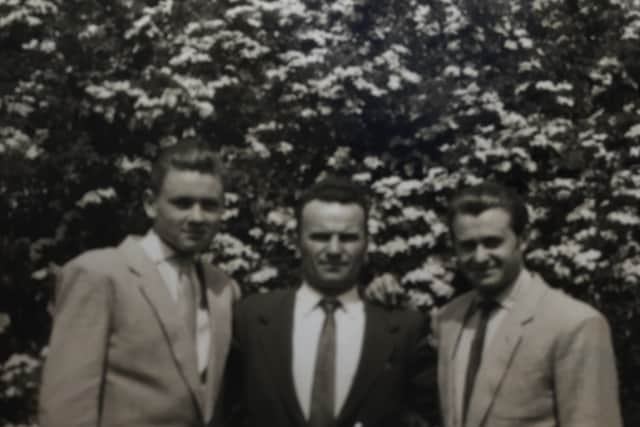
But this time, John had no intention of coming home.
He did not say goodbye to his parents or tell them what he was planning. He feared that if they knew, they might try to stop him or that his actions could put them at risk.
John simply left for work.
It would be more than ten years before he saw his family again.
Three attempts to escape
What followed was a dangerous journey out of Hungary.
John and his 16-year-old friend, Steve Bársony, made two unsuccessful attempts to escape. On both occasions, they were caught.
They refused to give up.
On their third attempt, they travelled by train to Zalaegerszeg, where they hid in a horse-drawn cart carrying potatoes. The cart took them towards Szombathely.
From there, John and Steve continued on foot through fields and forests towards the Austrian border near Horvátzsidány.
They had to avoid Soviet patrols searching for people attempting to cross the border. Flares were fired into the night sky, illuminating the countryside as the authorities searched for escapees.
Eventually, they reached a railway line and encountered a railway worker who helped them cross the border.
John gave the railway worker the remaining Hungarian money he and Steve had.
He also gave him a letter for his parents.
It contained a simple message:
“We crossed the border.”
Until then, John’s parents had no idea where their son was or what had happened to him.
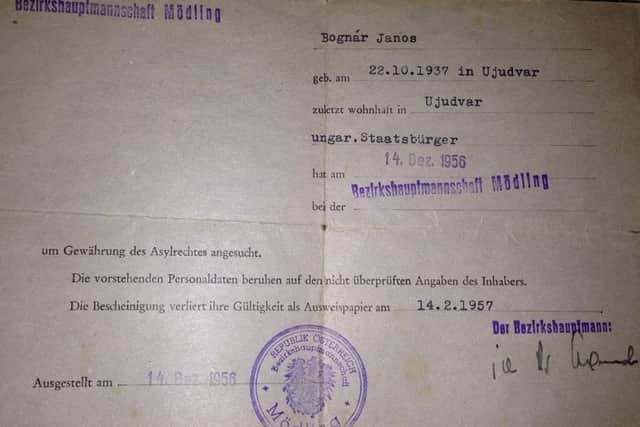
The exact date John and Steve successfully crossed into Austria is not known, but by 14 December 1956, they had reached the refugee transit camp in Wiener Neustadt.
Austria
After crossing the border, an Austrian farmer took John and Steve in overnight.
They were later taken to the refugee transit camp, where John arrived on 14 December 1956.
John and Steve had originally intended to go to Germany. Instead, they were selected to travel to Britain through the refugee and employment programme.
As their departure approached, John was issued an emergency passport on 10 January 1957.
Four days later, on 14 January 1957, John and Steve boarded the special refugee train to Britain.
They arrived at Folkestone.
For John, the arrival in Britain brought another unexpected experience.
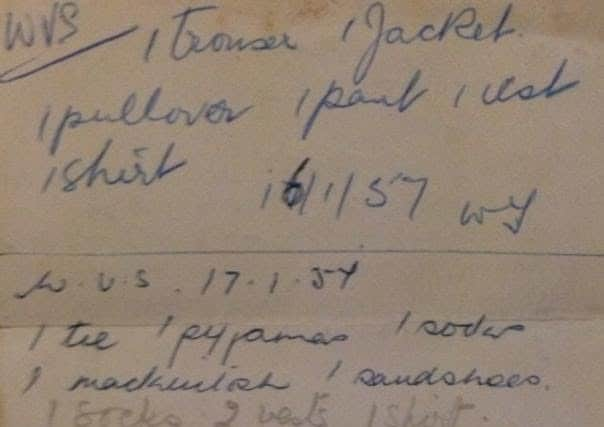
The Women’s Voluntary Services (WVS) helped welcome the Hungarian refugees arriving in Britain. John was given a care package containing clothes donated by members of the British public.
Inside were a pair of trousers, a jacket, a shirt, a tie, pyjamas, underwear and socks.
For a young man who had left Hungary with very little, these simple items represented a practical welcome from people in a country that, only weeks earlier, had been completely unfamiliar to him.
A new life in Doncaster
The National Coal Board was recruiting Hungarian refugees, and South Yorkshire became an important destination because of its mining industry.
Hungarian workers were accommodated in places including a miners’ hostel in Mexborough, providing temporary accommodation while they began their new lives in Britain.
John spent only a short period working for the National Coal Board before moving into construction.
His first known Doncaster address was 82 Bennethorpe, followed later by 46 Oakhill Road in Wheatley Hills, before eventually moving to Bessacarr.
Doncaster became home.
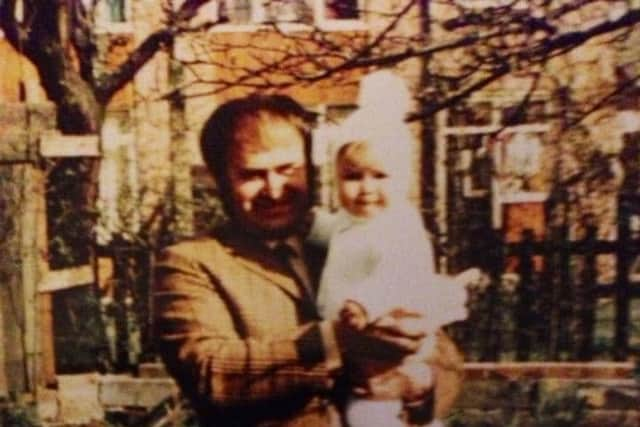
John married Irma, who was also Hungarian, and together they had two children.
The silence of a generation
John’s reluctance to talk in detail about his past was not unusual.
For many Hungarians who escaped following the 1956 uprising, the memories were too painful, frightening or complicated to revisit.
There was also a very real fear among some refugees that the Hungarian authorities could still find them or that returning home could have consequences for themselves or their families.
For some, the safest thing seemed to be silence.
They built new lives, found work, raised families and became part of their new communities while leaving the events of 1956 largely unspoken.
Even decades later, some former refugees were reluctant to discuss how they had escaped or what they had experienced.
That silence meant that, in some families, children and grandchildren knew surprisingly little about the journeys their parents or grandparents had made.
John’s family was one of them.
A story his son didn’t know
For many years, John’s son — also named John — knew very little about his father’s past.
While at school, he came across a book in the school library called Cry Hungary, which dealt with the events surrounding the Hungarian Uprising.
The book prompted him to ask his father what it was about.
John gave his son a brief outline of what had happened to him and how he had eventually ended up coming to England.
It was only a glimpse of the story, but it gave his son an entirely new understanding of his father’s life.
There was much more to discover.
Ten years apart
John was not reunited with his family in Hungary until 1967.
For years, he had been worried that returning to Hungary could result in repercussions for his parents because of his escape.
After obtaining British citizenship, John eventually felt that it was safe enough to return.
When he finally went back to Hungary in 1967, he was reunited with his family after ten years apart.
Thankfully, his parents had suffered no repercussions as a result of his escape.
The suitcase in the garage
Then, in 2016, the story took another remarkable turn.
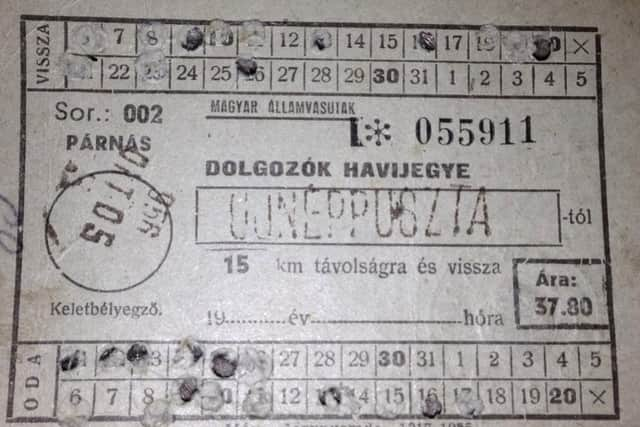
John’s son was looking through the garage when he discovered an old, battered suitcase that had belonged to his father.
Inside were documents John had kept from his escape and his journey to Britain.
Among them were his train ticket, paperwork from the Austrian refugee camp and his emergency passport issued on 10 January 1957.
For John’s son, who had first learned the broad outline of his father’s story through Cry Hungary, the discovery brought the past into sharper focus.
The suitcase contained tangible evidence of a journey that had previously existed largely through his father’s memories.
A South Yorkshire story
John’s experience was shared, in different ways, by thousands of Hungarians who fled after the 1956 uprising.
Many came to Britain and built new lives far from the country they had left behind. South Yorkshire, with its mining industry and communities such as Doncaster and Mexborough, became home to many of them.
Among those who eventually settled in Doncaster were Paul Domonkos and his brother Charles, who had escaped from Budapest.
John died in 1998. His wife Irma died in 2008, and their son George died in 2023. One of John’s children remains.
A story worth remembering
Seventy years on, John’s story is more than an account of one man’s escape from Hungary.
It is also a story about what happened afterwards: the welcome he received in Britain, the life he built in Doncaster, the family he raised and the memories he carried with him.
For many Hungarian refugees, silence was part of survival. Some feared that speaking about their past might somehow put themselves or their families at risk. Others simply wanted to leave painful memories behind and concentrate on building a new life.
John’s story might have remained largely unknown within his own family had it not been for a school library book and, years later, a battered suitcase in a garage.
Today, the documents inside that suitcase offer a direct connection to a remarkable chapter in both Hungarian and Doncaster history.
They remind us that behind the statistics of the 1956 refugee crisis were young men and women who left their homes, crossed borders, faced uncertainty and eventually became part of communities far from where their stories began.
For John Bognar, that community was Doncaster.