
Doncaster Council projected SEND deficit falls, but question marks remain over future bills

The City of Doncaster Council’s projected Special Educational Needs & Disabilities (SEND) spending deficit to end 2025/26 has fallen slightly, cabinet papers show.
According to papers to be presented to Mayor Ros Jones’ cabinet on March 11, 2026, the in-year deficit against the Dedicated Schools Grant (DSG) for the council is projected to be £18million, at the end of the third quarter of the current financial year.
It represents a drop of 5.7 per cent on the projected deficit at the end of 2025/26 quarter two, when it was £19.1m.
The drop on the in-year projected deficit also brings down the total deficit faced by the council.


In an announcement in early February 2026, the Government revealed it would fund 90 per cent of the national deficit against DSG to the end of March 2026 – projected to be £5billion.
Doncaster’s total deficit by that date is now projected to be £55.6m – down from £57m.
The Government announcement relieves a lot of pressure on local authorities, but questions remain about support for deficits accrued in 2026/27 and 2027/28 – before SEND costs are taken into the Department for Education (DfE).
Doncaster Council’s projected total deficit is expected to more than double by the end of 2027/28 and now sits at £117.6m.
Speaking during the full council meeting on February 26, 2026, Councillor Sue Farmer, cabinet member for children, young people and families, said: “Let’s be absolutely clear: the Government’s decision to fund 90 per cent of DSG deficits at March 2026 is not a generous gift — it is a long overdue admission of a national crisis that councils have been warning about for years.
“Across the country, High Needs deficits have spiralled. It is estimated that the national deficit will around £5 billion by the end of this financial year and before the recent announcement from Government threatened the viability of many councils across the country.”
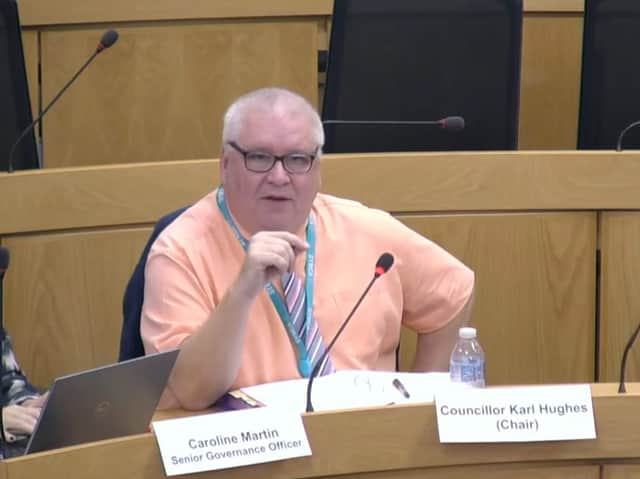
Councillor Karl Hughes, the Reform UK councillor who chairs the overview and scrutiny management committee, warned the council should plan for the worst case scenario for 2026/27 and 2027/28 deficits.
In statements following the Government announcement in February, he said it would not be “prudent” for the local authority to assume support will match the 90 per cent commitment.
According to a statement by the council’s chief financial officer, Faye Tyas, before the February 26 full council meeting, a hypothetical scenario where the government offers to pay 50 per cent of future SEND deficits would leave the council will a bill of £36.5m to pay.
Mayor Ros Jones previously announced that a £10m Recovery Grant given to the council by the Government would be used to pay the local authorities contribution to the deficit which, if the Government again commits to pay 90 per cent, would be £11.7m (based on current projections).
A statutory override, extended by the Labour Government, keeps DSG deficits off of council books until 2028, when it transitions to the DfE.