
'The system is broken': Doncaster Council needs 100 extra SEND places to ease financial pressures

The high costs of external and out of area placements could have a negative impact on quality of provision for SEND children.
The City of Doncaster Council needs more than 100 additional local places for pupils with special education needs and disabilities (SEND) if it is to reduce costs and maintain quality provision.
Councillors on the authority’s audit committee heard how independent and out of area placements for children with SEND was driving up costs.
They were told these increased costs are putting additional strain on the authority’s Dedicated Schools Grant (High Needs Block), provided by the Government for SEND provision, which could eventually have a negative impact on the quality of services provided to young people and children with SEND in Doncaster.


Riane Nelson, executive director for children, young people and families at Doncaster Council, told the committee: “We have seen a significant increase in requests for Education, Health and Care Plans (EHCPs).
“There is demand that we can’t deal with. We have got a significant pressure on the High Needs Block.”
Pressure on SEND services has proven a significant issue for authorities across the country, with councils owing around £5billion in total against the Dedicated Schools Grant (DSG) at the end of 2025/26.
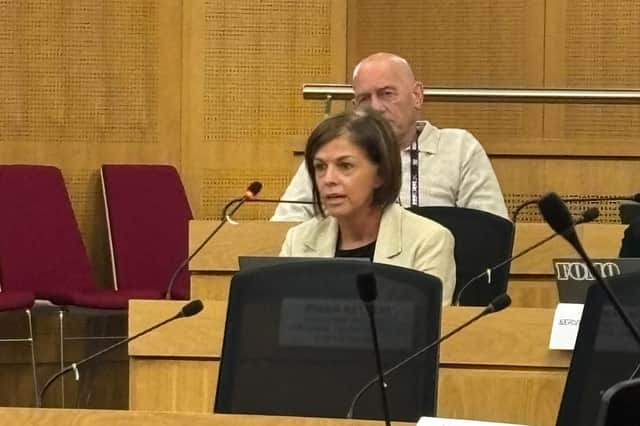
“The system is broken,” Ms Nelson said.
“In 2019, we were maintaining around 1,000 to 1,200 EHCPs. We are now into the 3,000s, 4,000s maintaining EHCPs,” she added.
Analysis by the children, young people and families department in the last year reportedly concluded that Doncaster needs an additional 146 specialist school places from age five to year 11.
The committee heard how it would be more “cost effective” to keep Doncaster children in SEND provision in the city and in provision provided internally by the authority.
Costs associated with placing children out of the area and with independent, external providers is significantly higher than in council provision, Ms Nelson said.
However, the council is hoping to improve its standing through a “six-strand” approach, outlined in a ‘Strategic Risk Deep Dive’ Ms Nelson authored for the committee.
If successful, the improvements could create around 600 more specialist places in Doncaster across primary and secondary schools, in Specialist schools, an ‘Intensive Needs Hub’ and others.
Tracey Thompson, SEND transformation project officer at the council, said: “Keeping Doncaster children in Doncaster helps with transport costs. The impact of doing this will be felt immediately.”
Ms Nelson’s said the six-strand strategy will not address short-term and immediate financial pressures against the DSG, but would “deliver better longer-term financial sustainability”.
The Government has committed to paying 90 per cent of DSG deficits up to the end of 2025/26 and committed to an “appropriate and proportionate approach” to deficits accrued until 2028, when DSG funding will be absorbed by the Department for Education.
Current estimates, if the 90 per cent offer from Government is extended to 2028, suggest Doncaster Council will need to pay at least £11.7m of its deficit.