
Population growth and deprivation could be ‘catastrophic’ for NHS, warns Doncaster GP

“If you can’t get care when you need it, the NHS has already failed and collapsed.”
Doncaster’s GP surgeries are under increasing strain as more and more people move to the city, a leading local doctor has said.
The borough’s high levels of deprivation, combined with sustained increases in the local population “equals catastrophe for Doncaster”, Dr Dean Eggitt said.
“Doncaster is deprived – impressively so. Almost half of Doncaster residents are in the 20% most deprived areas in England,” the Oakwood Surgery GP said.
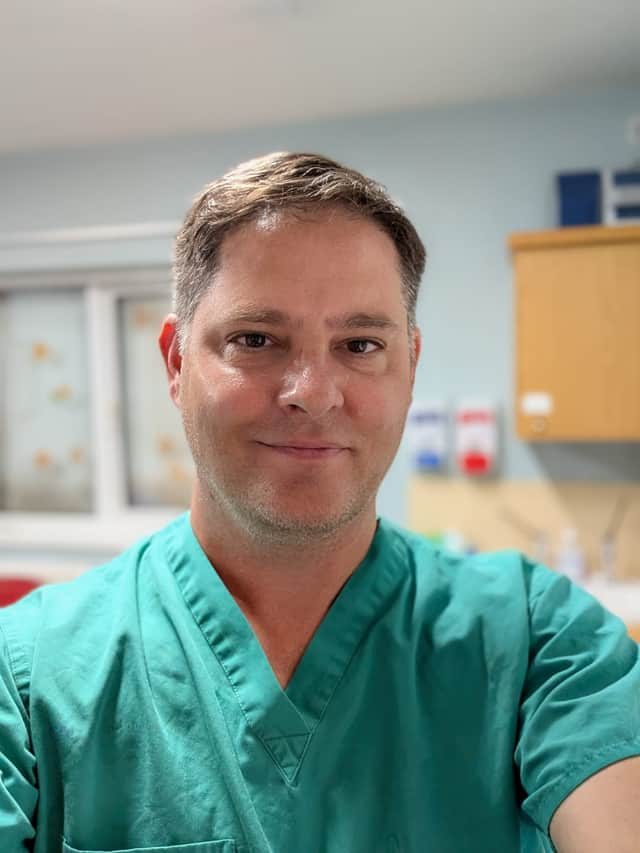

“If you compare our most affluent to our most deprived, there is a difference in lifespan of 10 years. If you’re rich and have the resources to look after yourself, you’re likely to live 10 years longer than if you aren’t.”
Dr Eggitt’s comments come after the publication of local authority population data by the Office for National Statistics (ONS).
It shows that the number of people living within the City of Doncaster Council authority area has risen by just under 3,000 people, or 0.83 per cent, in a year – placing the city in the top third of councils in the country.
Dr Eggitt said: “What makes it more difficult is that we don’t have the same level of resources [as GPs]. Each GP now has more patients assigned to them every single year. That’s more patients per doctor.
“Our doctor population hasn’t gone up. That ratio is worsening each year.
“The solution is to change [Doncaster’s] economic future. It needs investment from business, it needs money and people to spend here. There’s nothing wrong with that population growth as long as people benefit from it.”
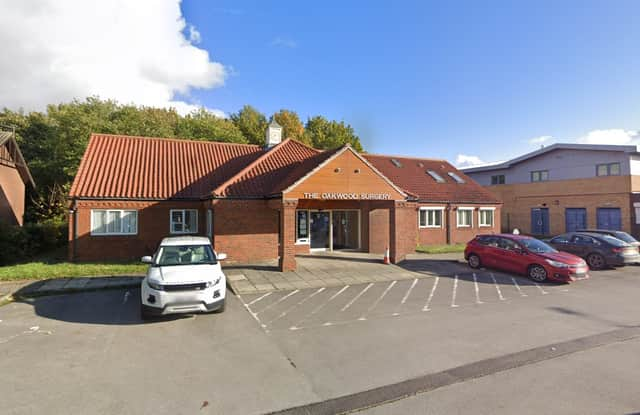
ONS data shows that the vast majority of Doncaster’s population increase came from internal migration – with a net 2,193 people moving to the city from other areas of the UK.
Dr Eggitt said GP surgeries across the country have limited resources to cope with increasing demand.
“On a practical level, we don’t have the space. I don’t have enough consultation rooms and many GPs don’t have enough rooms to hire more staff,” he said, with those limited resources worsening outcomes for patients and the workforce.
Dr Eggitt said: “We’re short of cash, we’re short of space and we can’t meet capacity demands. That’s why we have the eight o’clock rush, or patients get turned away, so when they do get in they are pretty sick so they go to A&E.
“We’re firefighting sickness rather than prioritising wellness. On a more personal level, staff are burnt out. We’re tired and we get sicker ourselves.
“The only way to cope with that is to harden a little bit and to numb. That impacts patients, they see it and it hurts them. It’s wrong, it shouldn’t happen, but I’m telling the blunt and honest truth.”
He said many doctors globally, not just in the UK, are now opting to work part-time as a result.
“Solving the whole thing is nigh on impossible, but taking the strain off could make it workable,” Dr Eggitt said.
“[The NHS] is a system of healthcare where you get care when you need it and you don’t have to pay. If you can’t get it when you need it, the NHS has already failed and collapsed,” he concluded.