

There are lots of things that were acceptable back then which you wouldn’t dream of doing today.
In some cases that’s because the law has changed, in others it’s due to shifting attitudes, and often it’s a combination of the two.
Below are just some of the things which were commonplace in the UK during the 70s that might surprise you if you weren’t around then.
Do you remember doing any of these things, or do you recall your parents doing them? And what other things could you get away with in the 70s that you can’t today?
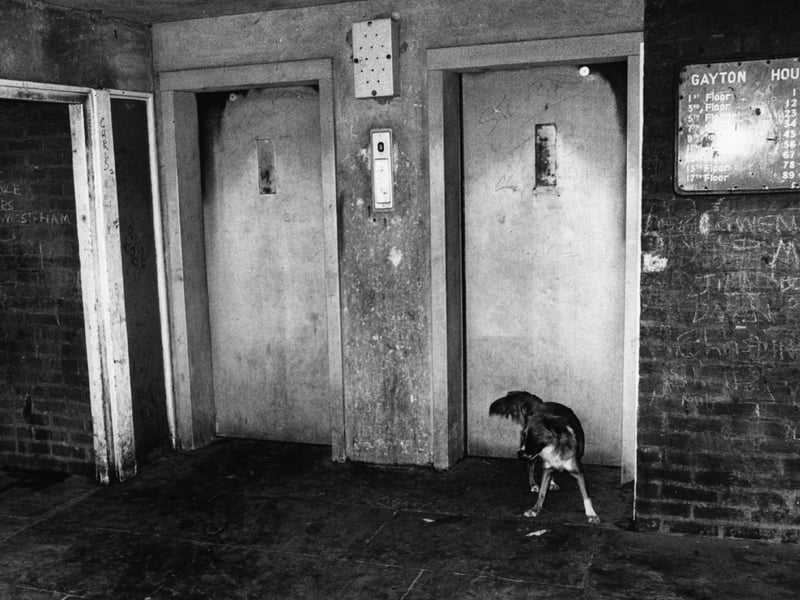
1. Dogs roamed freely
It was common for dog owners to let their pets roam freely during the 70s. This practice gradually became less common due to a combination of factors, including increased traffic, public safety concerns, and new legislation, including the Control of Dogs Order 1992 and the Dangerous Dogs Act 1991, | Getty Images Photo: Apiano/Evening Standard
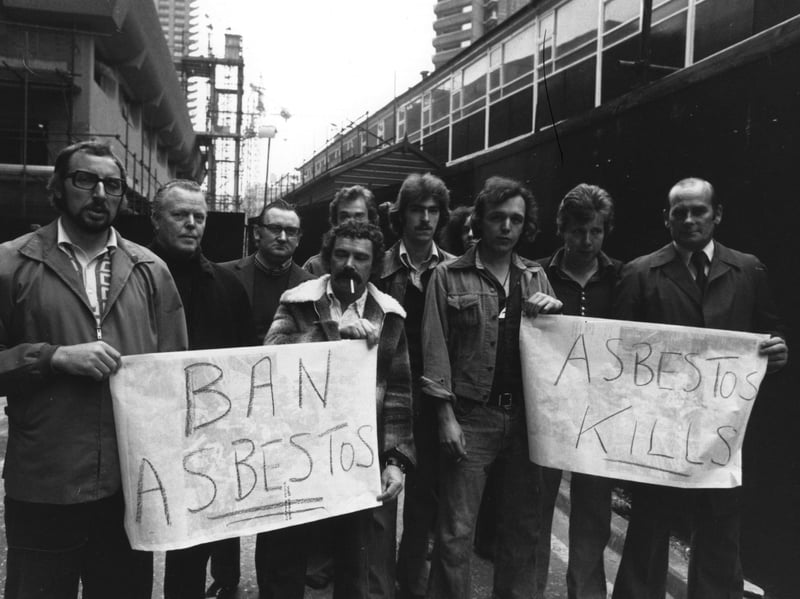
2. Asbestos was everywhere
Awareness of the dangers of asbestos was already growing in the 70s, but that didn't stop it from being used in many everyday items. It wasn't just popcorn ceilings and vinyl floor tiles that contained the deadly substance. Asbestos was found in household appliances like hairdryers, ovens and toasters too. It was not until 1999 that a blanket ban on the use of asbestos came into force in the UK. | Getty Images Photo: Evening Standard
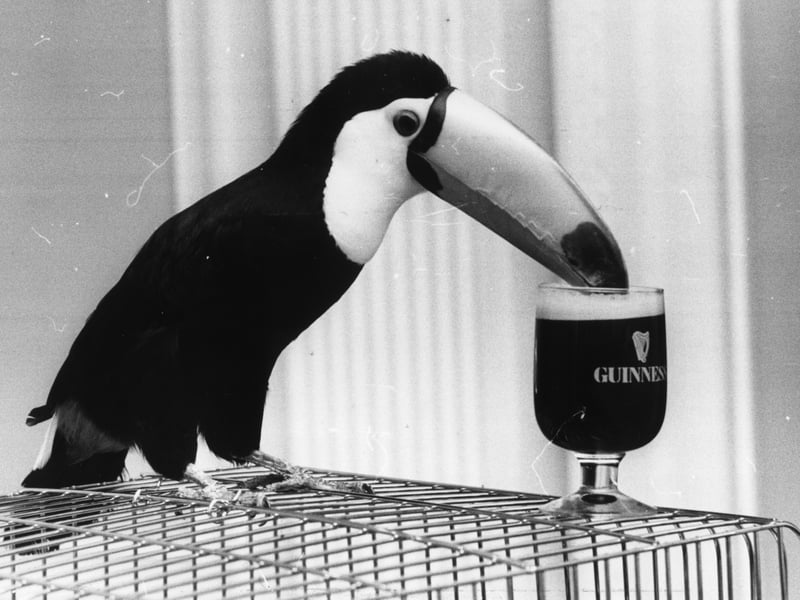
3. Drinking at work
The lunchtime tipple has not disappeared completely, but drinking during work is no longer culturally acceptable in the way it was during the 70s. Back then, it was not uncommon even for builders or factory workers handling heavy machinery to drink several pints during the working day. | Getty Images Photo: Rob Cousins/Evening Standard
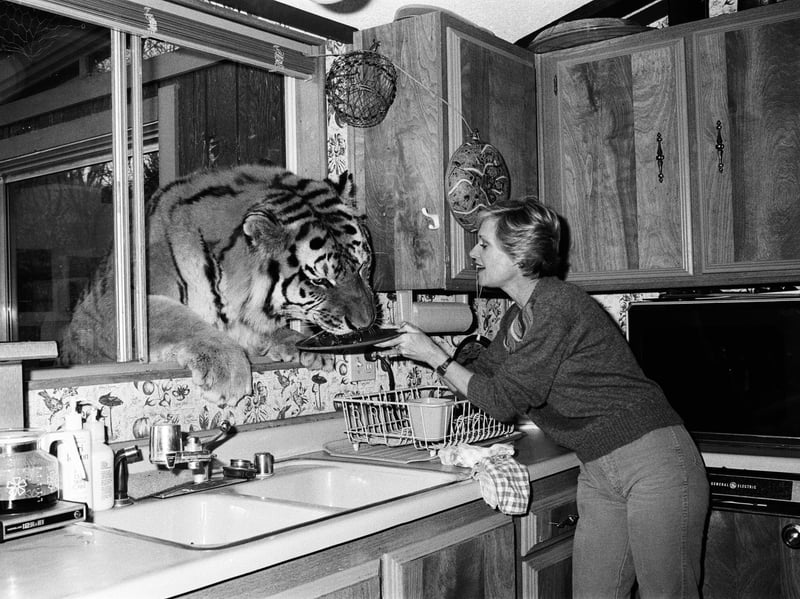
4. Tigers as pets
It wasn't that unusual for people to keep lions, tigers, monkeys and other wild animals as pets during the early 70s. The famous department store Harrods even used to have its own pet shop, Pet Kingdom, which sold exotic creatures including alligators and elephants. The Dangerous Wild Animal Act 1976 required private owners of animals deemed dangerous to obtain an annual licence from their local authority. While this did not stop people from keeping dangerous animals, it made the practice less common. | Getty Images Photo: Sanderson, Eddie/Mirrorpix