

But these jobs have been largely lost to technology, and in some cases changing habits, long before AI threatened to take our livelihoods.
It might be hard for younger generations to believe these crucial roles were once performed by humans, before they became widely automated.
Some required great expertise, built up over the years, while more basic skills were needed for others, but all these workers made a vital contribution to society.
These roles were performed by humans as recently as the 60s, 70s, 80s, 90s and noughties.
In many cases, the professions have not died out completely, but the numbers employed in them have fallen dramatically, and those remaining do so largely in very specialist or ceremonial roles.
Did you, your parents or anyone you know use to have one of these jobs, or are you one of the few people left in the profession?
If you enjoyed this article, you might like this one looking at words and phrases that are at risk of dying out.
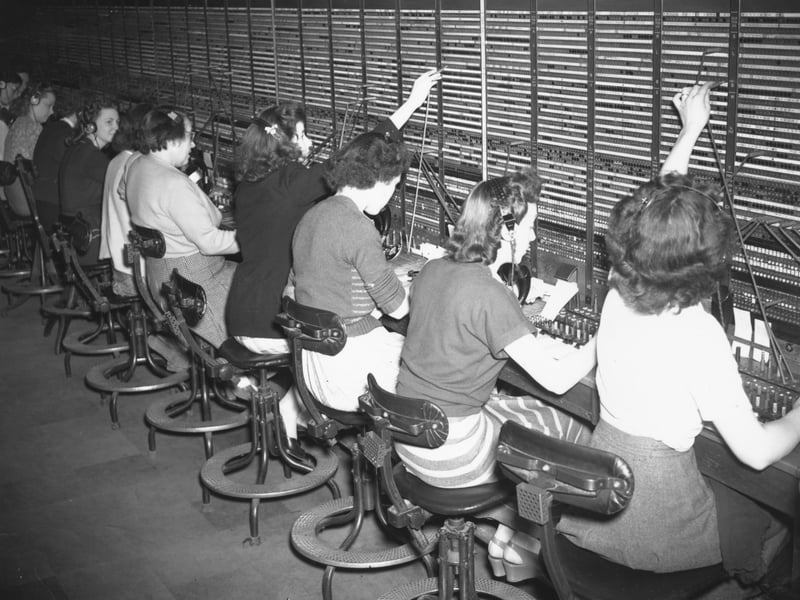
1. Switchboard operators
In the early days of telephones, switchboard operators were required in large numbers to connect calls. Women were often employed, partly because they were cheaper, before the days of equal pay legislation. As the service became more automated, the role was no longer required, with most of the old manual exchanges having closed by the mid-70s. | Getty Images Photo: Harrison /Topical Press Agency
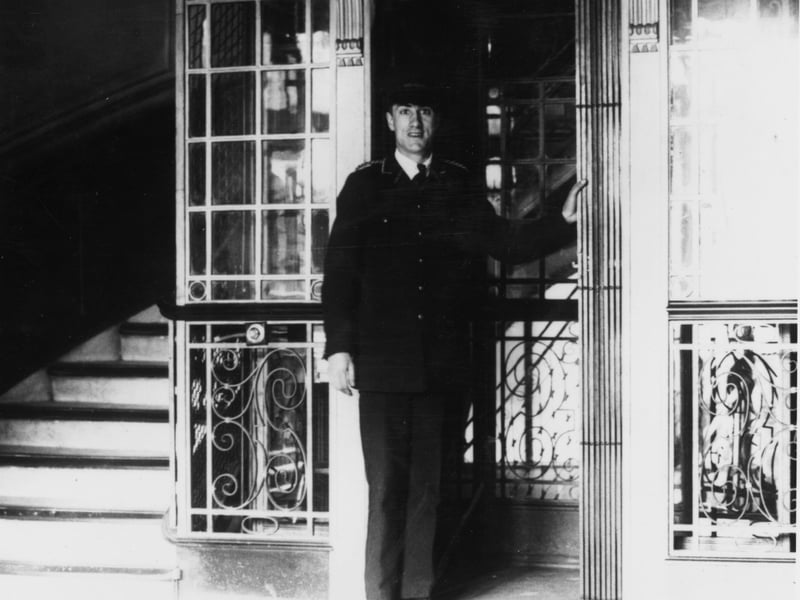
2. Lift operator
Lift operators were once essential to keep elevators running smoothly in high-rise buildings. As the technology became more automated, they were no longer needed, with most lifts being self-service ones by the 1970s. However, some luxury hotels and prestigious apartment blocks continued to employ them. | Getty Images Photo: General Photographic Agency
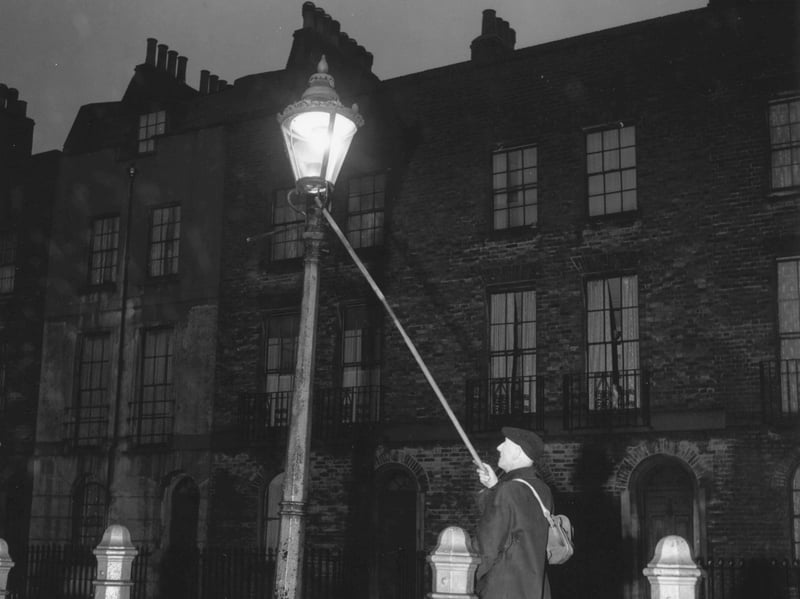
3. Lamplighters
Lamplighters, or gaslighters, were responsible for keeping our streets illuminated before electric lights became the norm. At dusk, they would tour the streets, using a long pole with a wick on the end to light the lamps, and at dawn they would use the same pole, this time with a hook attached, to extinguish them. While lamplighters are not generally required today, they still operate in some cities where gas lights have been retained as heritage features. | Getty Images Photo: Chris Ware/Keystone Features/Hulton Archive
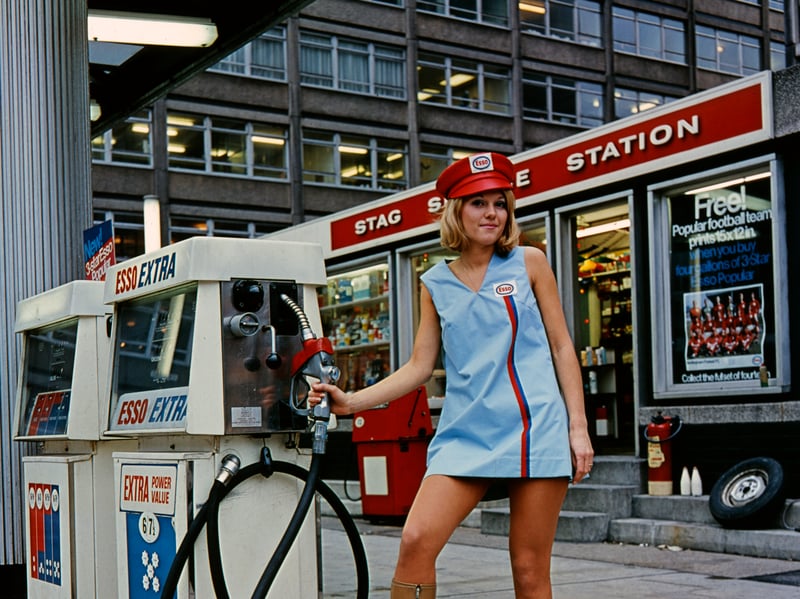
4. Petrol pump attendants
Before most petrol stations switched to self-service pumps, an attendant would fill your car. They would often provide other services, like checking your tyres, the oil and the water. Many petrol stations switched to self-service in the 70s, and by the 80s most had made the change. | Heritage Images via Getty Images Photo: National Motor Museum