

But some architectural masterpieces from the reign of Queen Victoria have sadly been lost to time.
Grand hotels, stunning civic buildings and ornate market places are among the greatest works of the Victorian era which have sadly been demolished over the years.
Some fell victim to fire or to bombs, while others succumbed to architectural vandalism, in many cases being replaced by monstrosities.
All of these buildings are mourned by those who remember them.
Several were torn down in the face of huge public opposition, and there have been campaigns to replace what should never have been lost in the first place.
These lost landmarks include a record-breaking ‘palace’ which was dismantled and moved at great expense, only to be consumed by fire; a famous tourist attraction, described as the London Eye of the North; and some truly magnificent railway stations.
How many of these remarkable buildings do you remember, and which do you miss most?
f you enjoyed this trip down memory lane, you might like this retro photo gallery of lost railway stations, taking you back to the golden age of train travel.
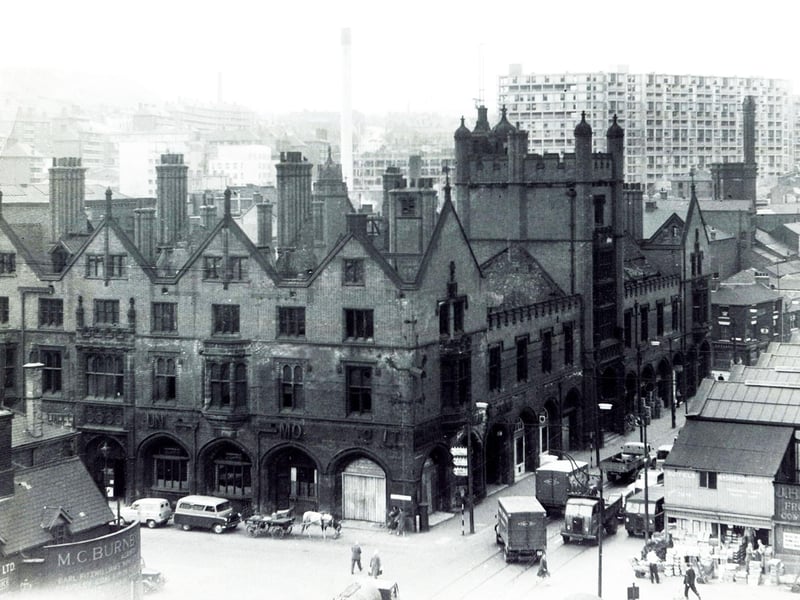
1. Corn Exchange, Sheffield
The old Corn Exchange in Sheffield was a remarkable building, with its beautiful mullioned windows and great groined roof. It was built in the 1880s by the Duke of Norfolk, replacing the old corn exchange, which the city had outgrown. Sadly, the magnificent landmark was severely damaged by fire in 1947 and was demolished in 1962. | Sheffield Corn Exchange Photo: Sheffield Newspapers
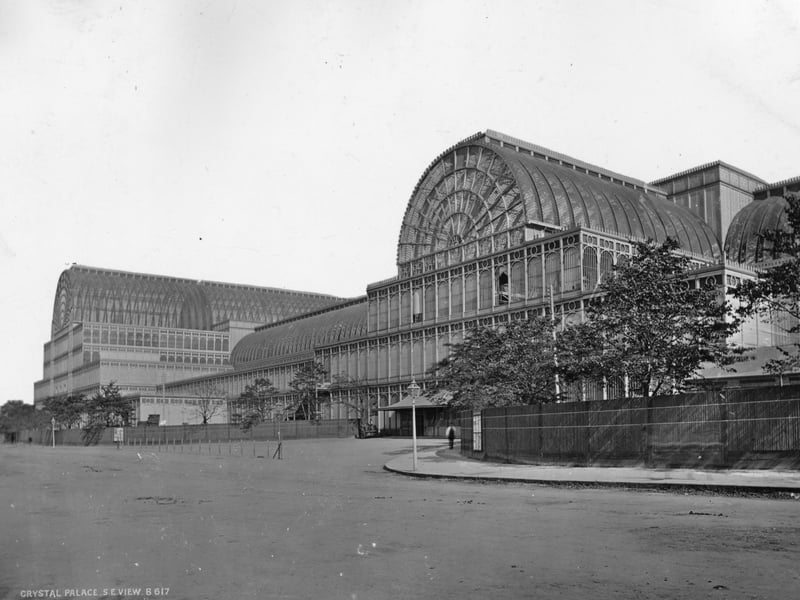
2. The Crystal Palace
The Crystal Palace was one of the finest and largest buildings the UK has ever seen. The cavernous glass and iron structure was originally created for the Great Exhibition of 1851 in Hyde Park, London, before being dismantled and moved at great expense to Sydenham. There, the 990,000 square foot building hosted all manner of events, from concerts to circus acts, and exhibitions to sporting spectacles. After a period of decline, its fortunes had started to revive when it was destroyed by a huge fire in 1936. There have been many plans over the years for another grand building at the site, but none have come to fruition. | Getty Images Photo: London Stereoscopic Company/Hulton Archive
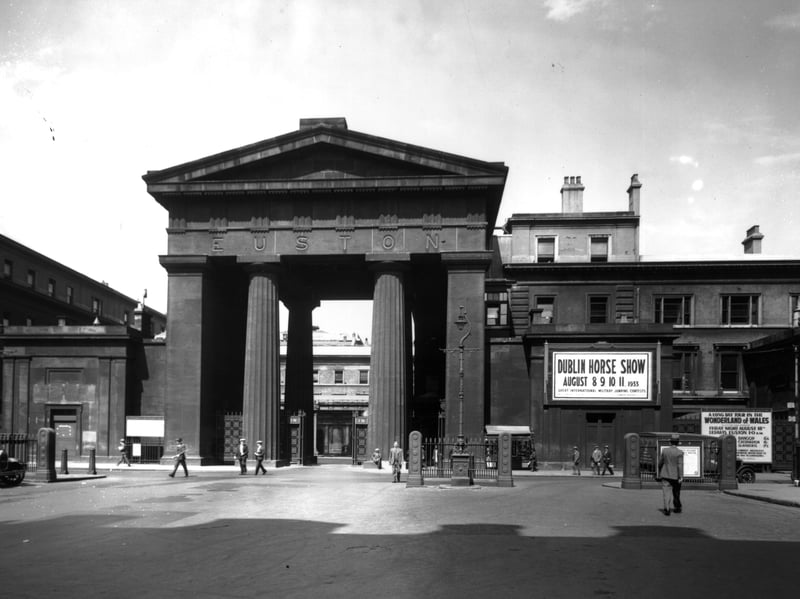
3. Euston Arch
There was an outcry when this grand Neoclassical entrance arch to London's Euston station was demolished in 1962, when the station was rebuilt. It had stood since 1837 and was a much-loved landmark. There has been talk over the years of rebuilding it, but no firm plans have ever been put forward. | Getty Images Photo: Topical Press Agency
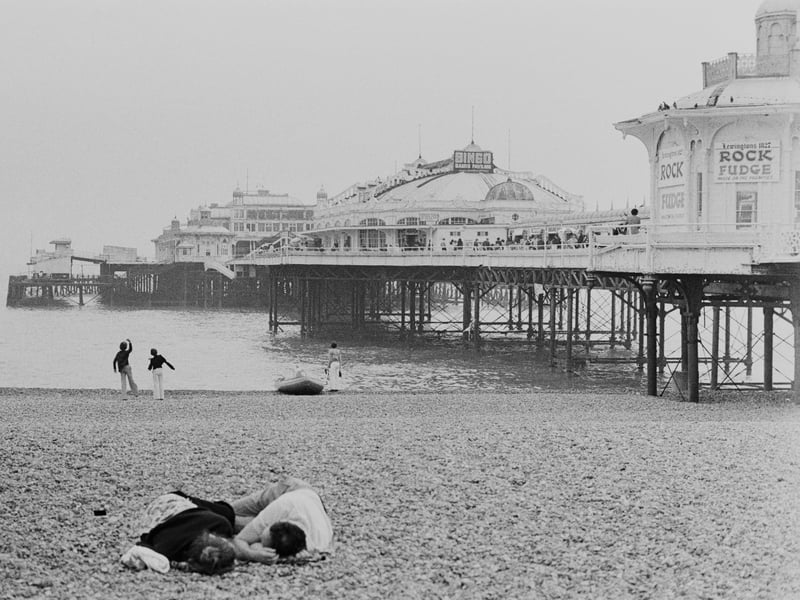
4. West Pier, Brighton
Brighton's West Pier was a remarkable feat of Victorian engineering, and an architectural marvel from the days when holidays on the English coast were the height of fashion. It was designed by Eugenius Birch and opened in 1866, later becoming the first pier in England to be Grade I-listed. But its fortunes declined along with those of Britain's seaside resorts, facing competition from cheap overseas travel. It closed to the public in 1975 and gradually collapsed into the sea, with two fires in 2003 destroying most of what remained. | Getty Images Photo: John Minihan/Evening Standard/Hulton Archive