
Doncaster and SY children worst in UK for tooth decay, figures show
NHS figures show children in South Yorkshire are more likely than anywhere else in the UK to have teeth removed
Chilldren in Doncaster and South Yorkshire have the worst tooth decay levels in the UK, new NHS figures have revealed.
New statistics on children having decayed teeth removed in hospital, reveal that South Yorkshire has the four highest rates in England.
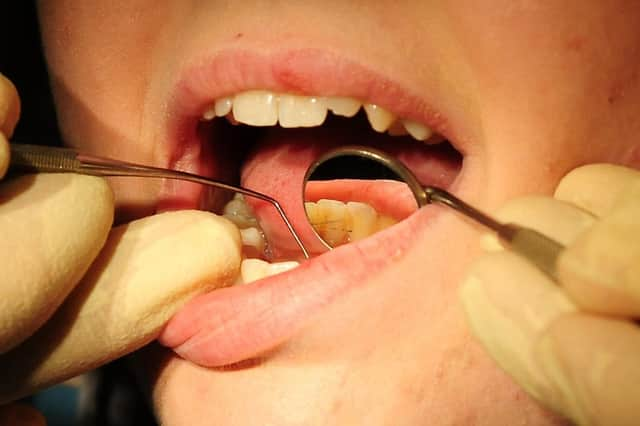

Sheffield topped the list and was followed by Rotherham, Barnsley and Doncaster, taking the top four places in an analysis of NHS hospital figures by Forever Dental and Skin.
Sheffield has the highest rate in the country, with 920 hospital tooth extractions for decay among children aged five to nine in the year to March 2025.
That is 2,794 per 100,000 children, or roughly one for every 36, almost five times the England rate of 569.
Rotherham is second (2,536 per 100,000, 420 extractions), Barnsley third (2,339, 340) and Doncaster fourth (2,206, 415).
Want more stories like this? Click here to get our daily newsletter
Together the four areas recorded 2,095 of these extractions. South Yorkshire is home to about one in 40 of England's children aged five to nine, but accounted for more than one in 10 of the extractions.
Across England, there were 33,976 hospital tooth extractions for decay among children and young people aged 19 and under in 2024/25, up 11% on the year before, according to the Office for Health Improvement and Disparities (OHID).
Children aged five to nine accounted for 19,347 of them, more than half, and tooth decay was the most common reason for children in that age group to be admitted to hospital, ahead of tonsillitis.
Dr Murray Pratt, principal dentist and clinical director at leading Surrey private dental practice Forever Dental and Skin (https://foreverdentalandskin.co.uk/), said: "No parent wants their child to need a tooth taken out in hospital, and when it's because of decay,
“It's largely preventable. Decay can build up for months without much pain, so a child can seem fine until a tooth is too far gone to save. That's why regular check-ups matter, even when there's nothing obviously wrong."
He said the biggest difference is made at home, long before a child needs a dentist's chair.
Dr Pratt explained: "How often children have sugar matters as much as how much they have. Sipping juice or squash, or picking at sweets on and off through the day, means their teeth are exposed to acid again and again.
“Keeping sugary food and drinks to mealtimes, with water or milk in between, gives their teeth a break."
Dr Pratt said: "Brush twice a day with fluoride toothpaste, last thing at night and one other time, and teach children to spit rather than rinse, so the fluoride stays on their teeth.
“Check the box for the fluoride level, as the NHS recommends at least 1,000ppm for young children, and keep an eye on their brushing until they're about seven."
Dr Pratt added: "NHS dental care is free for children. From the age of three, they should be offered fluoride varnish at least twice a year, which is painted onto the teeth to help protect them from decay, so it's worth asking about it at their next check-up."
With selection boxes and advent calendars on the way, Dr Pratt said: "Christmas doesn't need to mean no treats. Having a selection box or advent calendar chocolate as part of a meal, rather than dipping into it all day, is much kinder to children's teeth."