
Yorkshire vet warns over spike in separation anxiety in pets as kids return to school
Yorkshire dog owners are being warned to watch out for a severe mental health spike that could strike thousands of pets this September.
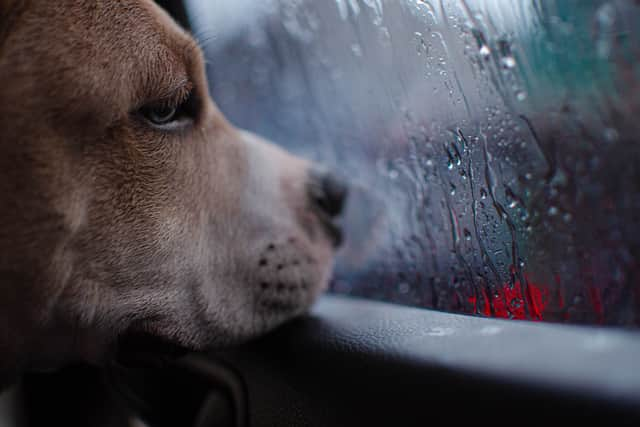

For weeks, family dogs have enjoyed a bustling home full of companions, extra walks, and constant affection. But the sudden silence following the school run can trigger intense loneliness and distress.
According to the RSPCA, up to eight out of 10 dogs struggle to cope when left alone - often leading to furniture destruction, house-soiling, or relentless vocalising.
As kids return to school across the region this week, Dr Charlotte Inness, vet and founder of VetMedi.co.uk, says that “post-summer holiday blues” are far more widespread than owners realise, and early preparation and intervention are critical.
“For months, our pets have enjoyed a bustling home full of companions, extra play, and constant attention,” explained Dr Inness. “When September hits and the house becomes a ghost town overnight, it can be a massive shock to their system. They simply don't understand where everyone has gone.”
The hidden warning signs
While loud barking or destructive chewing are obvious signs of panic, Dr Inness warns that the earliest indicators are far more subtle.
Recognising these subtle cues now gives owners a vital window to intervene before the behaviour escalates into full-blown separation anxiety once term time begins.
“Think of a dog's anxiety like a sink,” explained Dr Inness. “Every little stressor fills the sink slightly. If the sink overflows, that's where you get unwanted behaviours like destruction or barking. The key is catching the water rising before it spills over.”
According to Dr Inness, owners should look out for three easily missed warning signs that their pet's “sink” is filling up.
The first subtle sign owners brush off as affection is a dog that suddenly follows them frantically from room to room while getting ready. A so-called “velcro dog” may seem cute and attentive, but it can also be one of the earliest warning signs of separation anxiety.
Dr Inness said: “Following everyone around while they pack school bags or put coats on can look cute, but it is actually building up anxiety for the pet. They are tracking your departure cues because the thought of being left alone is already stressing them out.”
The second mistake owners make is ignoring quiet physical cues like pacing or subtle body language shifts.
“Early distress shows up quietly,” Dr Inness explains. “Pacing around the house, excessive lip-licking, yawning when they aren't tired, panting heavily, or turning their head away when you say goodbye are classic indicators that their nervous system is overwhelmed. Owners assume they're just sleepy, energetic, or clingy, but they're actually struggling to cope.”
The third warning sign is often mistaken for a dog being a “fussy eater”.
Dr Inness said: “If you feed breakfast to your pet just before you go out and they stop eating, but then eat it the moment you get home, that is a clear red flag. Their cortisol levels are spiking as you prepare to leave, and an anxious dog simply cannot eat until you return." While loud barking or destructive chewing are obvious signs of panic, Dr Inness warns that the earliest indicators are far more subtle.
High-risk pets: summer puppies and rescues
While any dog can suffer from a shift in routine, Dr Inness notes that certain pets are far more vulnerable to post-summer distress.
“Younger dogs that haven't been exposed to time alone are at massive risk,” said Dr Inness. “Families often get pets during the summer so they have time to settle them in, but making sure the dog gets time away from everyone is a crucial part of training that gets missed.
“It's a similar story with rescue dogs who have built a strong bond with their new owners in a fresh environment. If they haven't had gradual training to get used to being on their own, the sudden quiet house can be deeply traumatic.”
How to beat the 'back-to-school' blues
To stop these subtle signs from turning into full-blown panic when term time starts, Dr Inness advises taking proactive steps to help your pet “empty their sink”:
Ditch traditional food bowls: “Feed meals via alternative routes like puzzle feeders, LickiMats, or snuffle mats during those critical first 20 minutes alone,” suggested Dr Inness. “Mental enrichment is a great way of releasing built-up energy and helping your pet relax.”
Start 'micro-leaving' now: Leave the house for short 5-to-10-minute intervals over the coming days to desensitise your dog to the silence.
Don't rely on last-minute 'quick fixes': It's tempting to grab over-the-counter calming sprays or supplements at the last minute, but these aren't a magic cure, especially once anxiety has already set in, warns Dr Inness. “Many anti-anxiety products require weeks of consistent use to show any effect, and some dogs won't respond to them at all. Instead of guessing with off-the-shelf remedies, speak to your vet first about evidence-based options tailored to your dog's specific stress levels.”
Ditch dramatic goodbyes: Overly affectionate departures and chaotic returns spike a dog's anxiety. Keep departures low-key and unexciting to signal that leaving is normal.
Shift the schedule early: Gradually adjust morning feeding times, walks, and downtime this week so your pet gets used to the upcoming school run schedule in advance.
When to speak to your vet
If training tweaks and over-the-counter aids aren't enough, Dr Inness emphasises knowing when to seek professional help.
“If over-the-counter anti-anxiety aids aren't working, your pet is physically distressed, causing harm to themselves, acting aggressive towards family members when you enter or leave, or causing property damage, it's time to speak to a professional,” Dr Inness warns.
“I always recommend putting a camera on your pet once you leave. The footage provides a goldmine of information for you, your vet, or a veterinary behaviourist to help create the best medical and behavioural plan for your family.”