
Doncaster’s surprising EV ranking revealed as city breaks into UK top 10
Doncaster has emerged as one of the UK’s strongest locations for electric vehicle ownership, despite having one of the lowest levels of charging infrastructure relative to its EV population.
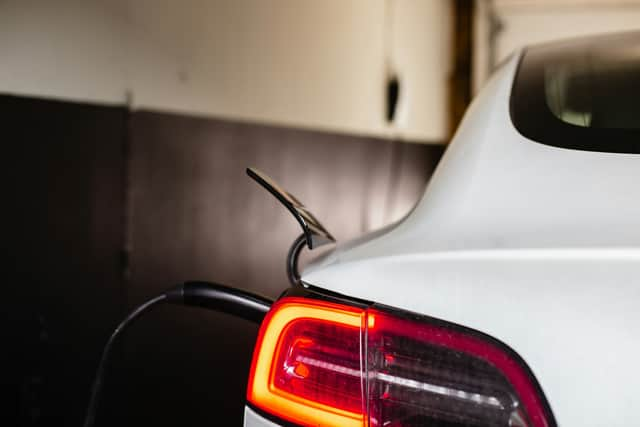

A new study by Wolf River Electric has ranked 56 UK cities and towns based on the factors that can shape the day-to-day experience of owning an electric vehicle, including charging infrastructure, electricity costs, EV adoption, access to charging-enabled properties, repair services and local emissions.
The research examined the factors that can shape the day-to-day experience of owning an electric vehicle, including public charging provision, electricity costs, EV adoption, access to properties with charging facilities, repair services and per-capita emissions.
Doncaster's strong overall position is largely driven by its comparatively affordable electricity costs and high EV ownership levels. The city records an electricity cost of £67.45, one of the lowest figures in the study, helping make the day-to-day cost of charging an EV more manageable.
Doncaster also records 617.55 EVs per 10,000 people, placing it among the stronger locations in the ranking for EV adoption. This suggests electric vehicles have already established a significant presence across the city.
The city performs particularly well for residential charging access, with 6.90% of properties offering charging spots. This gives Doncaster one of the stronger results in the study and could be particularly important for drivers looking to charge their vehicles at home rather than relying entirely on public infrastructure.
However, Doncaster's ranking comes with a surprising weakness. The city has just 0.30 electric car charging points per 1,000 EVs, one of the lowest figures recorded across the 57 locations. This means its strong overall position is not being driven by an abundance of public charging infrastructure.
Doncaster also has 3.85 electric car repair shops per 1,000 EVs, giving it a reasonable level of access to specialist repair services.
Its environmental performance is less favourable. Doncaster records 5.50 tonnes of CO₂e in per-capita emissions, placing it towards the higher end of the study. This weighs on its overall score, but not enough to prevent the city from breaking into the top 10.
The result puts Doncaster ahead of nearby and larger cities in the ranking. Leeds sits 14th with a score of 32.72, while Sheffield ranks 42nd with 27.21. Manchester is 17th with 31.89.
Stockport takes the top spot overall with a score of 40.67, followed by Harlow and Southend-on-Sea. Ashford and Milton Keynes complete the top five, while Doncaster sits seventh, narrowly behind Reading.
The findings suggest that a strong EV ownership environment does not necessarily depend on having the largest public charging network. Doncaster's combination of relatively low electricity costs, high EV adoption and strong residential charging availability helps offset its limited public charging provision.
The study evaluated 57 UK cities and towns across six key factors. Electric car charging points per 1,000 EVs carried the greatest weighting at 30%, while electricity costs, EVs per 10,000 people, properties with charging access and electric car repair shops per 1,000 EVs each accounted for 15%. Per-capita emissions made up the remaining 10%.