
The people who need to opt-out of Emergency Alert test - according to the government
The government is urging some people to opt-out of the Emergency Alert test 🚨
- An Emergency Alert test is set to take place this weekend.
- Millions of phones will receive the message on September 7.
- But who should opt-out of getting it?
The government is advising some people to opt-out of receiving the Emergency Alert test this weekend. Its recommendation only comes in certain circumstances and most Brits should still get the message.
In a nationwide test on Sunday (September 7), the text will be sent to millions of phones for the second time. The previous trial took place in spring 2023 and alerts have been sent during major storms since then.
But who should opt-out of receiving the message and how can you do it? Here’s all you need to know:
When is the Emergency Alert test?
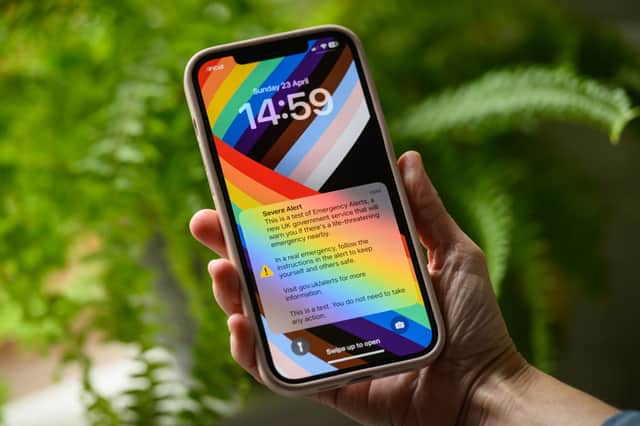

The second nationwide test of the alert system is set to take place on Sunday (September 7) afternoon. It will be sent at approximately 3pm, give or take a few minutes.
During the test your mobile phone or tablet will emit a loud siren-like sound and vibrate, even if it is set to silent. A message will appear on your screen confirming that this is only a test and that no action is required.
Who should opt-out of Emergency Alert?
The government has advised that victims of domestic abuse with a concealed phone may find it appropriate to turn off alerts. Since the message will be accompanied by a siren and cause the device to vibrate.
If you have an iPhone or Android device, you can opt out by taking the following steps:
- Search your settings for ‘emergency alerts’.
- Turn off ‘severe alerts’ and ‘extreme alerts’.
Depending on the manufacturer and software version of your phone, emergency alerts settings may be called different names, such as ‘wireless emergency alerts’ or ‘emergency broadcasts’.
- The settings can usually be found in one of the following ways. Go to:
- ‘message’, then ‘message settings, then ‘wireless emergency alerts’, then ‘alert’
- ‘settings’, then ‘sounds’, then ‘advanced’, then ‘emergency broadcasts’
- ‘settings’, then ‘general settings’, then ‘emergency alerts’
- Then turn off ‘severe alerts’, ‘extreme alerts’ and ‘test alerts’.
Who will receive the Emergency Alert text?
Since the initial test two years ago, the system has been used on a handful of occasions - particularly around extreme weather. Alerts were sent out during Storm Darragh in 2024 and again in early 2025 for Storm Éowyn - the latter being its largest use so far.
The alerts can only be sent by the emergency services, government departments, agencies and public bodies that deal with emergencies. And you may get them in the event of severe flooding, fires and extreme weather - for example.
The test on September 7 will be sent to all phones in the UK, the government has confirmed. It adds that there are approximately 87 million mobile phones in the country.