
Steam giants return to Doncaster for Sir Nigel Gresley anniversary
The event marked the 150th anniversary of Sir Nigel Gresley’s birth
Giants of the steam world have returned to their Doncaster birthplace to mark the 150th anniversary of legendary rail engineer Sir Nigel Gresley.
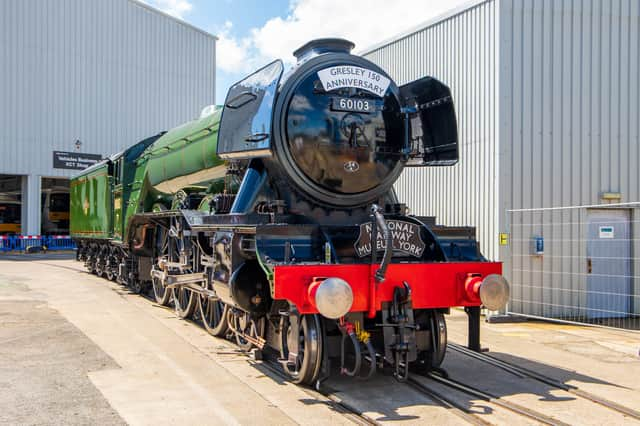
The world famous Flying Scotsman and Sir Nigel Gresley, the loco named after him, returned for a weekend celebration tinged with sadness at the city’s Plant Works.
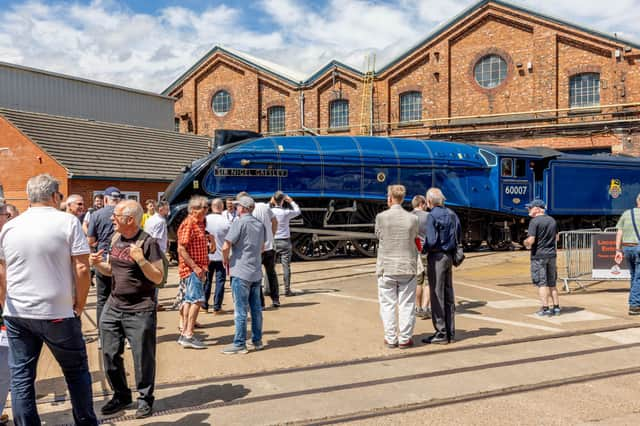

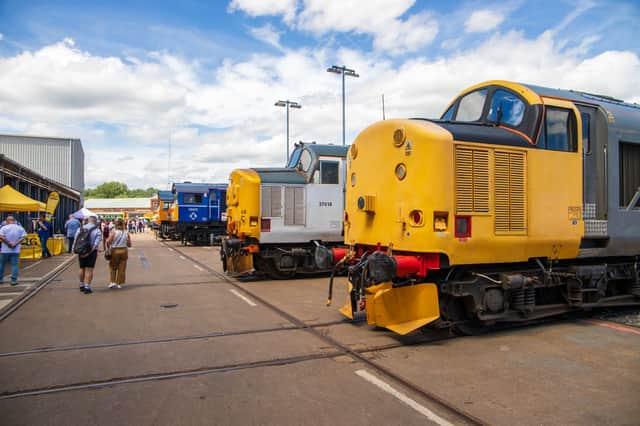
Wabtec UK, along with City of Doncaster Council, hosted the event, bringing together employees, families, rail enthusiasts and the wider community to celebrate the rich heritage and lasting contribution of its Doncaster site to the UK railway industry.
Doncaster Works holds a long and proud place in Britain’s railway history and has been synonymous with engineering excellence, innovation and skilled craftsmanship for generations.
As the site approaches the end of its operational journey later this year, Wabtec is committed to taking the time to properly recognise the people, achievements and legacy that have shaped it over many decades.
Mayor of Doncaster, Ros Jones, said: “The work of Sir Nigel Gresley has created a lasting legacy for Doncaster’s railway industry and this special event was an incredible opportunity to celebrate the 150th anniversary of the birth of an iconic steam locomotive engineer.”
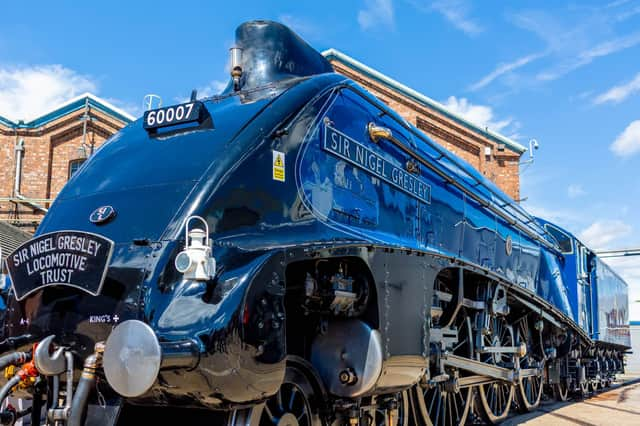
Sir Nigel was one of Britain’s most famous steam locomotive engineers, who rose to become Chief Mechanical Engineer (CME) of the London and North Eastern Railway (LNER).
He was the designer of some of the most famous steam locomotives in Britain, including the class A1/A3 and class A4 4-6-2 ‘Pacifics’.
Class A1 No. 4472 Flying Scotsman was the first steam locomotive officially recorded over 100 mph and class A4, No. 4468 Mallard still holds the record for being the fastest steam locomotive in the world, achieving126 mph on 3 July 1938.
Although born in Edinburgh, Sir Nigel was the fifth son of the Reverend Nigel Gresley, rector of Netherseal in Derbyshire.
Gresley could trace his ancestry to soldiers who fought with William the Conqueror at the Battle of Hastings and further back through Hugh de Calvacamp, archbishop of Rouen in the tenth century to the Viking warriors who first settled in Normandy.
He died in 1941 at the age of 64.