
New social care reforms could see ‘improved outcomes’ for Doncaster children, officials says

“The solutions to difficulties within families rests within families.”
City of Doncaster Council officials have said they are ‘confident’ that children’s social care reform will lead to ‘improved outcomes’ for local families.
However, the benefits could take a few years to materialise as the workforce learn new skills.
The Families First Partnership (FFP) programme is the UK Government’s national reform initiative, initially introduced by the Conservatives in 2023, aiming to completely transform children’s social care.
Andy Hood, service director for early intervention, partnerships and localities at Doncaster Council, said the changes, shifting focus away from reactive work to preventative support, aim to help families make the best choices for themselves and their children.
He said: “What we would say is that children and families are the experts in their own lives and that we as professionals are, at the very best, well-meaning interlopers who drop in and out of children’s lives.
“The solutions to difficulties within families rests within families. They don’t exist in us… if families are going to change, those changes have to come from within those families. We believe that fundamentally.”
Mr Hood was speaking during a meeting of the Children and Young People’s Overview and Scrutiny Panel, in response to Councillor Bob Anderson, who asked about officer’s confidence in the FPP programme.
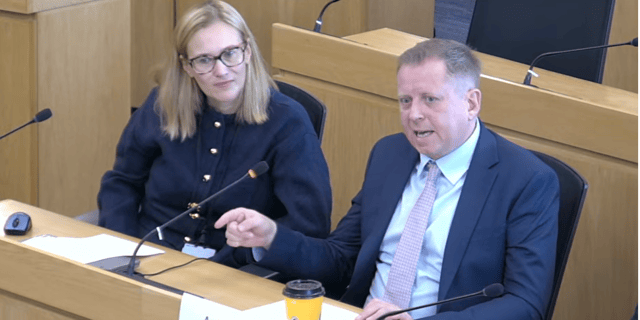

“We’re confident in the potential,” Mr Hood said.
“Much of it comes down to the efficacy of our workforce. We’re asking people to do things they have not done before, facilitating family group decision conversations. Some of our workforce have been very skilled at that for years, some are coming into that for the first time,” he added.
The reforms, backed by the Labour Government’s Children’s Wellbeing and Schools Act 2026, aims to reduce escalation and the number of families requiring high-level social work, or having children enter care.
However, Mr Hood said success in the new system could take time.
“In the first year, two years, maybe even three years, we will be making developments, but it will never be as fast as we want it to be,” he told the panel.
“I’m confident that over the course of three years, you will see improved outcomes.”
Emma Smith, service director for children’s social care, said it would be important that officials make the effort to showcase successes to councillors, as often it is the families in the most challenging positions that dominate discussions.