
Doncaster Council: Mayor's cabinet approves 2026/27 budget proposals including 4.99% council tax hike

Cabinet members on the City of Doncaster Council have approved the Mayor of Doncaster’s budget proposals, which will now go to full council where it requires Reform UK’s backing.
Mayor Ros Jones and the four Labour councillors on her cabinet approved every part of the budget proposals in a meeting on February 11, 2026, which includes a 4.99 per cent council tax rise, full pay restoration for staff and a £250million capital spending plan for 2026/27.
It follows the confirmation of a multi-year settlement from the Government earlier in the week, the first for Doncaster in a number of years, allowing the council to more effectively plan through 2028/29.
Mayor Jones said: “Our financial settlement from government continues to be more positive than previous years, unfortunately, it isn’t sufficient to meet all our pressures and investment needs, enabling us to fully recover from the devastating impact of austerity.


“In response to the service pressures and future risks, a Council Tax increase of 2.99% is being proposed alongside a further 2% increase for Adult Social Care, this would mean council tax would increase by 4.99% in total.”
The rise equates to £1.10 extra per week for residents in Band A properties (57 per cent of Doncaster properties) and £1.65 per week for Band D.
“This is the first multi-year settlement in over a decade, enabling us to provide resources for increased investment in the priorities that matter to our residents and businesses, including Highways maintenance and City centre safety and security,” the Mayor told cabinet.
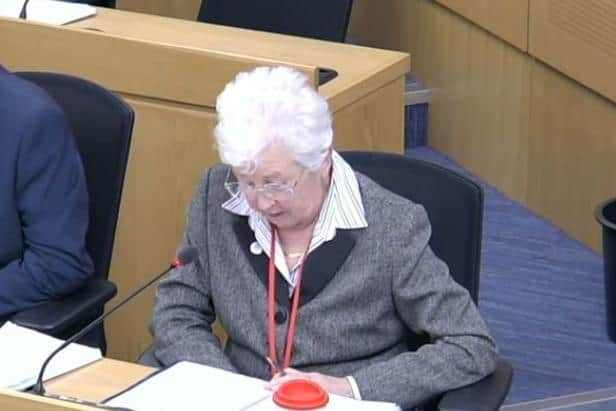
During the meeting, Mayor Jones welcomed news from the Government that it will be dedicating funding to cover 90 per cent of the Dedicated Schools Grant (DSG) deficit accrued by councils in 2026/27.
The DSG deficit nationally has surged to £5billion in total and by the end of the current financial year, Doncaster’s deficit will be £57million and is projected to more than double by the time a statutory override ends in 2028.
Increased demand for Special Educational Needs and Disabilities (SEND) support, including Education Health Care Plans (EHCPs), are the key drivers behind the deficit, which is affecting councils across the country.
The Government announcement would mean 10 per cent of the DSG deficit would need to be covered by Doncaster Council.
Mayor Jones said: “I will be updating my budget proposals to include this additional funding and to show that it will be held as a contingency against future risks, particularly considering the 10% contribution required for the DSG deficit.”
The Mayor also issued clarification on key savings relating to culture and commissioning.
“We are a financially well managed council, and I will do whatever I can to mitigate the impacts of uncertainty.”
The Local Democracy Reporting Service (LDRS) previously reported that volunteering levels would be increasing in community libraries and a “restructure” would see a “reduction” in full time officers roles.
The Mayor said: “The proposal is to increase the number of volunteers, extending further into roles at Cusworth Hall, DGLAM and Archives, based upon the successful community-managed libraries model and the success of Danum Volunteers.
“So let me be perfectly clear, my proposals do not include any plans to increase volunteering levels at community libraries or to reduce paid officers within the library service.”
However, the Mayor’s revenue budget does state it will be a “reducing the [full-time equivalent] officer roles” in culture and commissioning areas and no additional information was provided as to where those changes would be taking place if not in the library service.
“Finally, I would emphasise, that thankfully, we are a financially well managed council, and I will do whatever I can to mitigate the impacts of uncertainty. I remain firmly focused on supporting Doncaster’s priorities outlined in the corporate plan and the updated City Borough Strategy which was approved at the January meeting of Full Council and received cross-party support,” the Mayor concluded.
The Mayor’s budget plans will go to full council in February 26, 2026, where they will require the backing of the Reform UK majority.
It is one of the only areas of the council’s decision making where Reform UK hold influence, as the directly elected mayor system used by the council means around 95 per cent of key decisions are made by the Mayor and their hand-picked cabinet.
Following the publication of Mayor Jones’ budget on February 3, 2026, Reform UK group leader, Councillor Craig Ward, said his party would be putting forward an “alternative balanced budget”. However, this is still yet to be published.