
We visited one of Yorkshire's most desolate and unusual places - and spotted cute seals
It is perhaps one of the strangest, most desolate, unusual yet strikingly beautiful places in Yorkshire – and if you love isolation and the chance of catching a glimpse of some wildlife up close and personal, it really is the place to be.
We’re talking about Spurn Point, Spurn Head, or simply just Spurn, call it what you will, the narrow finger of land on the East Coast which forms the north bank of the Humber Estuary.
It really is one of the most distinct, yet sometimes beautifully bleak places, not only in Yorkshire but across the whole of the UK.
Just a short drive from Doncaster, its a nature reserve that allows you to truly get back to one with nature – as long as you don’t mind the winds coming in off the North Sea and sandblasting your chops!

So, for those who’ve never experienced Spurn, where is it and what’s the attraction?
It’s situated right at the end of the Yorkshire stretch of the East Coast, a few miles further on from Hull and looking across the gaping estuary to Cleethorpes and Grimsby.
Now a tidal island, the strip is three miles long – a narrow promenade packed with wildlife and stunning sights along the way to its very tip.
It’s spectactularly narrow at points – in some cases no more than several metres across, only widening out at the very end where there are a few permanent homes, a lifeboat station and a weather station.

After a school trip some time back in the 80s, I’d always vowed to go back and check out the place with a more rounded understanding and appreciation rather than on a blustery day having worksheets pushed in my hand by an enthusiastic teacher before sitting down to eat some limp and soggy fish paste sandwiches in a sand dune.
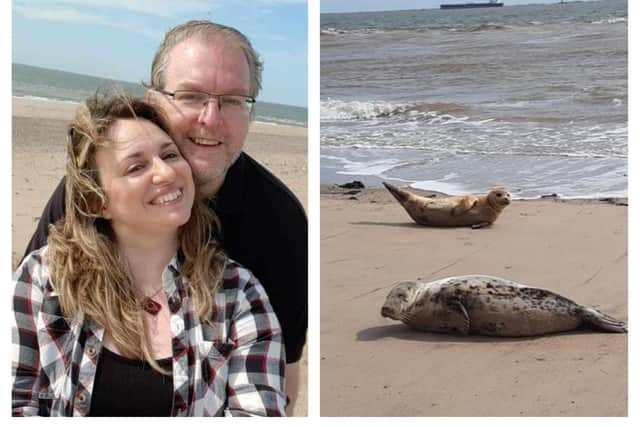
Having parked up, my partner Giulia and I began the long and sometimes arduous trek to the very tip of Spurn.
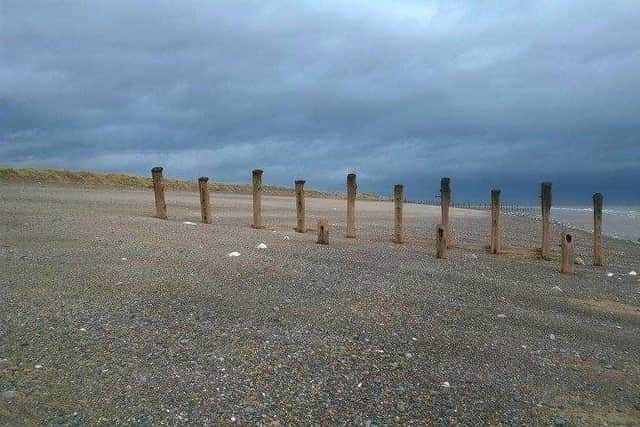
The walking is not always easy going – paths have been washed away by the say and there’s obviously a lot of sand, pebbles and the occasional sand dune scramble to endure.
But the regular stunning views and desolate beauty make up for all that.
A storm in 2013 saw the spit breached in several places, making it impassble at high tide – so always check your timings before heading out.
Almost half the width of the estuary and in some places just 45 metres wide, there’s oddities to spot along every step of the way.
Made up from sand, shingle and boulder clay eroded from the Holderness coastline washed down the coastline from Flamborough Head, Spurn has had a long (excuse the pun) history.
In the Middle Ages, Spurn Head was home to the port of Ravenspurn, where Henry of Bolingbroke landed in 1399 on his return to dethrone Richard II.
It was also where Sir Martin de la See led the local resistance against Edward IV's landing on 14 March 1471, as he was returning from his six months' exile in the Netherlands.
But enough of the history lessons.
Look out for the remnants of the old railway line which traversed the spit – the shifting sands and tides of time now make it look like the tracks were headed straight into the water.
There are also remnants of Spurn’s military past to spot – old military bunkers which have now toppled into the sea, but still a source of fascination for young and old.
The two most striking features of Spurn are of course its two lighthouses – the old one and the rather imaginatively titled new one, perhaps Spurn’s most distinctive feature, decked out as it is in black and white and standing proud against the North Sea.
You can get great atmospheric photos of both – especially the newer light, peaking out through the dunes and sea grass.
Perhaps one of the most unusual sights you’ll see at Spurn is the colony of Brown Tail Moth caterpillars, which invade the area in the spring and summer months.
The caterpillars amass in such large numbers that they can cause health problems to people. They have tiny hairs which can cause irritation to the skin and can even cause breathing difficulties in some rare cases.
The Yorkshire Wildlife Trust who manage the nature reserve has to post warnings about the critters, which can look disntinctly spooky in their cocoon phase.
You’ll find yourself edging warily along the narrow path, trying not to get too close.
But don’t worry. There’s plenty of other much more enjoyable wildlife to see too.
The landward-side mud flats are an important feeding ground for wading birds, and the area has a bird observatory, for monitoring migrating birds and providing accommodation to visiting birdwatchers.
Many uncommon species have been sighted at Spurn, including a cliff swallow from North America, a lanceolated warbler from Siberia and a black-browed albatross from the Southern Ocean.
More commonly, birds such as northern wheatears, whinchats, common redstarts and flycatchers alight at Spurn on their way between breeding and wintering grounds elsewhere.
When the wind is in the right direction migrants are funnelled down Spurn Point and are counted at the Narrows Watchpoint, more than 15,000 birds can fly past on a good morning in autumn with 3,000 quite normal.
Keep on going and as you approach the cottages, you’ll find a dense bank of grassy and sheltered dunes – surprisingly home to a colony of deer.
Don’t be surprised if you see a startled animal scampering out in front of you as you gently make your way towards the very tip of the spit.
And athough you’ll have battled against the elements, the winds off the North Sea, mixed in with a good sprinkling of sand to get there, the final vantage point is well worth it.
You really will feel like you’ve reached the end of the world as you tumble down the sandy banks of Spurn Point to reach the spot where the waters of the Humber Estuary and North Sea mix and combine.
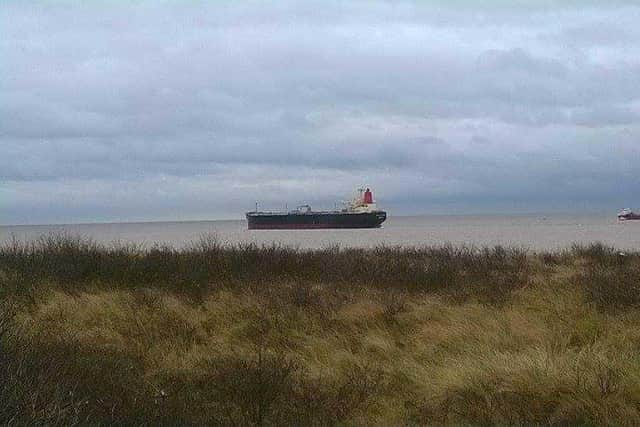
You’ll see huge ships, making their way across the barren waters to faraway ports, feeling almost close enough to touch as they head out on their journeys.
Even to the point of making out indiviudal crew members waving back from the decks as they head to sea.
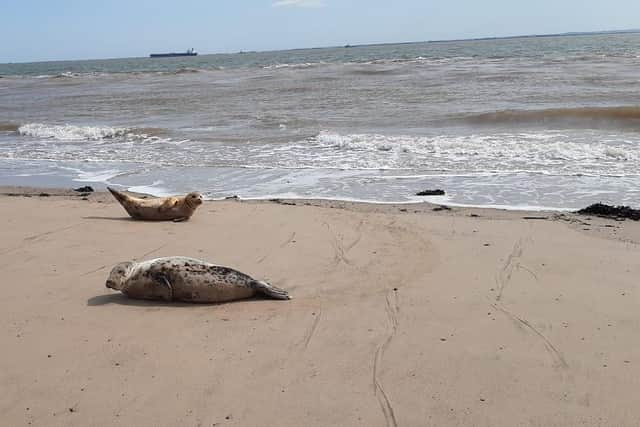
But the real treat at the end of the voyage is the cute seals which love to bask at the end of Spurn.
On a good day, you’ll see plenty sunning themselves on the golden sands – and you’ll be able to get close enough to get some great pictures too, without scaring or disturbing them.
By the time you’ve reached the very tip, with water almost surrounding you, there’s literally no other place to go than back the way you came, criss crossing the shattered paths, the stony and sandy swathes of land and retracing your steps back towards the car park.
If you are after somewhere to truly ‘get away from it all’ then Spurn really is the place to be.
Beautiful, wild and desolate – it truly is a place like no other.