
Probe launched after puppy bought online in Doncaster dies of parvovirus
A probe has been launched after a puppy bought online in Doncaster died from parvovirus, just hours after being bought.
Upset Lindsay Ellis bought the cocker spaniel pup via a seller listed on pets website Pets4Homes – but was devastated when the animal died a few days later.
She is now trying to trace others who may have bought animals from the same breeder – while Pets4Homes say they launched an investigation.
She said: “The rest of the puppies have to be somewhere, if they are even still alive – and if they are they will need urgent vet care."
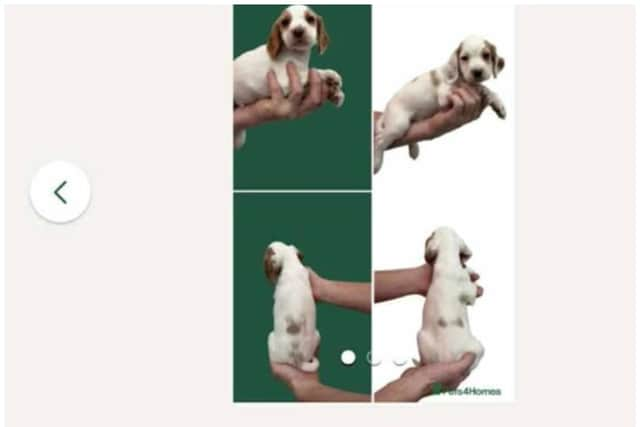

The pups were advertised for sale at £450 and were born on August 16.
The ad reads: “Microchipped by collection date, vaccinations up to date, worm and flea treated and checked by a vet
It added: “Weaned away from mum and eating independent. Well-socialised with our family consisting of children, very playful and love attention.”
She added: “I need to speak to any owners or if anyone can put me in touch with any owners who bought from them recently.
"The puppy died within four days of buying her. The breeder is not accepting any responsibility for this and this.”
Lindsay took the animal to Balby’s The Pet Vet, but despite forking out £1,300 in fees, vets were unable to save the pup.
She said: “The breeder is suggesting that the rest of the litter is fine and have not got parvovirus but the vet has confirmed that it’s extremely unlikely due to how contagious it is. I’m wanting to try and get this sorted with other owners to see if they are in the same boat as myself.”
The Free Press has been unable to contact the breeder listed on the Pets4Homes website.
A spokesperson for Pets4Homes said: "As the UK's largest platform of its type, Pets4Homes helps thousands of British pets find loving homes each day, and 99.6% of animal rehomings are successful and without the need for subsequent communication with our dedicated Trust and Safety Team.
"In the rare instances when individuals attempt to exploit our users' goodwill, or are accused of failing to adhere to guidelines, we actively work alongside the authorities.
"As this is an ongoing investigation, we cannot comment further.”
What is parvovirus?
Parvovirus (also known as canine parvovirus, CPV or parvo) is a very infectious disease that can be fatal. It's also common in the UK.
The virus attacks cells in a dog’s intestines and stops them from being able to absorb vital nutrients. This means that a dog or puppy will become very weak and dehydrated.
Sadly, many dogs who are diagnosed with parvo will die, so vaccinating your dog is vital.
How do you know if your dog has parvovirus?
Symptoms of parvovirus include:
foul-smelling diarrhoea with blood in it
vomiting
loss of appetite
collapse
depression
fever
sudden death
Who is at risk of parvovirus?
Puppies and unvaccinated dogs are most at risk from becoming victims of parvo.
Puppies go downhill very quickly because the symptoms caused by parvovirus make them very weak, and mean their immune systems have to work very hard to fight the disease. Youngsters between six weeks and six months old are also more susceptible to secondary infections, or they may die from dehydration.
Parvo outbreaks are most commonly seen in towns and cities with a large population of unvaccinated dogs.
What should I do if I think my dog has parvo?
If you recognise the symptoms of parvo in your own dog, call your vet immediately. Tell them what symptoms your dog or puppy has, and whether or not they’ve come into contact with a dog with confirmed parvovirus.
Keep your dog away from other dogs as it spreads easily.
The quicker treatment is given, the better the chances of survival.
Is parvovirus contagious to other dogs?
Yes. Parvo is highly contagious to other dogs and spreads very easily around dogs and puppies that are not up to date with their vaccinations.
Parvovirus spreads through body fluids, including in a dog’s poo and vomit. It can also survive in the environment outside the body – for example in the grass at a park – for at least six months, and possibly much longer. Your dog can even contract parvo by sniffing another dog’s poo and it’s not uncommon for dogs to catch parvo when out for a walk.
If your dog has come into contact with bedding, food and water bowls, carpet, or a kennel that a dog with parvovirus has touched, they can catch the virus. Parvo can also be spread on shoes, clothing and human hands.
It takes up to seven days for a dog to show signs of having parvovirus after they have caught it.
How can I prevent my dog catching this disease?
Parvo can be deadly, so it's important for dogs and puppies to be vaccinated against parvovirus from the age of six weeks.
How often do dogs need their parvovirus vaccinations?
Puppies need a course of vaccines to protect them against parvovirus:
The first vaccine is usually given when the puppy is between six and 10 weeks of age
Depending on the brand of vaccine used, a second vaccine is usually given two to four weeks later
In some breeds such as Rottweilers or dobermans, a third vaccine when the puppy is older than 16 weeks old is also advised
A further booster vaccination must also be given a year later
After this, adult dogs need booster vaccinations throughout their lifetime. The time between boosters can vary depending on the brand of vaccine given, so check with your vet about how often your dog needs to receive a booster.
Your dog should be given a vaccination card with the date of the jab and the date the next shot is due. This will be signed by your vet or registered veterinary nurse (RVN).
Treatment for parvovirus
Sadly, drugs that kill the virus do not exist. Instead your vet will treat your dog so that their immune system and body has the best change of fighting the disease.
Treatment for parvo might include:
hospitalisation so that the vet can monitor your dog (the average hospital stay for a dog recovering from parvo is five to seven days)
intravenous fluids through a drip to stop your dog from becoming dehydrated
drugs to help control vomiting which also helps to prevent dehydration
If a dog with parvo has caught a secondary infection as a result of a weakened immune system, they may be given antibiotics.
Dogs and puppies with parvo must be put in isolation and kept well away from other animals. Vets and nurses will wear special clothes and shoes when treating them which can be removed and sanitised to prevent the disease spreading to other patients at the veterinary surgery or hospital.
The prognosis for dogs with parvovirus
The chances of your dog surviving are higher the quicker symptoms are spotted and treatment is given. Sadly, some dogs and many puppies often die, even if treatment is given.
Most deaths from parvo happen within 48 to 72 hours after the symptoms begin.
Treatment for parvo is very expensive because your dog will often need several days’ stay in intensive care. Vets strongly recommend vaccinating your dog to prevent them getting parvo.
Parvovirus recovery
If your dog is lucky enough to pull through and come home, they will need a period of recovery including lots of TLC. Your vet will tell you how best to care for your dog.
Even after they've recovered they may still be infectious, so it's important to speak to your vet and keep your dog away from other dogs and public places for the recommended period.
Parvovirus in humans
Humans cannot get parvovirus from their dogs, however they can pass parvo from one dog to another on their clothes, shoes or hands.
Humans can contract a human version of parvovirus, but this is a different strain from the one that affects dogs. Humans cannot pass the human type of parvo to a dog either.