
New study names Doncaster as one of places in UK with most vacant homes
A new study has named Doncaster as one of the places in the UK with the most vacant homes, with more than three per cent of properties in the city empty.
The survey by mortgage brokers at Mortgage Lane analysed official data to uncover where vacant homes are most concentrated across the UK.
By ranking 49 cities based on the share of properties left unoccupied, the research shines a light on places where housing supply exists on paper, but not always in practice.
And Doncaster was ranked 17th, one of the highest in the region.
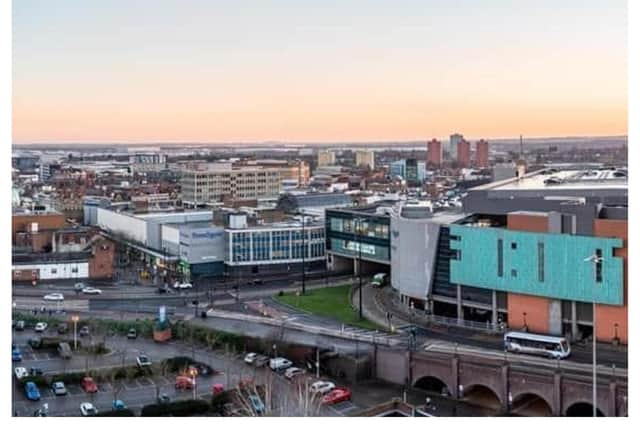

The top of the ranking is dominated by cities dealing with long-term economic shifts rather than sudden housing shocks.
Aberdeen leads the list with 6.0 percent of homes sitting vacant, a clear legacy of the slowdown in the oil and gas sector, which reduced population growth and left surplus housing behind.
Liverpool is 2nd with 5.0 percent, where regeneration has transformed parts of the city, but pockets of older housing stock continue to struggle with lower demand.
A different story emerges in places where vacancy is driven less by decline and more by how property is used.
The City of London ranks third with 4.1 percent of homes vacant, largely due to investment properties, second homes and short-term accommodation rather than a lack of demand.
Brighton and Hove, also at 4.0 percent, reflects a similar pattern, where high prices and popularity coexist with seasonal occupancy, short-term lets and homes that are rarely lived in year-round.
Northern cities continue to feature prominently, highlighting ongoing regional imbalance within the housing market.
Preston and Stoke-on-Trent both post vacancy rates close to 4 percent, with slower population growth, ageing housing stock and historic industrial decline making parts of their markets harder to re-occupy, even as regeneration efforts continue.
Student and tourist-driven cities add another layer to the picture. Lincoln and Canterbury show how strong demand in specific areas can mask higher vacancy elsewhere, particularly outside term time or peak tourist seasons.
Homes in these cities are often caught between short-term use and longer gaps between occupants.
Rounding out the top ten are Kingston upon Hull and Norwich, where vacancy rates of 3.6 and 3.5 percent point to uneven demand rather than outright market failure.
Despite investment and relatively stable local economies, both cities reveal how certain neighbourhoods continue to lag behind, leaving a notable share of housing stock under-used in 2026.
Joseph Lane, mortgage broker at Mortgage Lane, commented on the study’s findings: “Right now, the UK housing market is still dealing with the after-effects of years of imbalance between supply and demand.
"In some places, prices and rents are high because demand is relentless, but that doesn’t automatically mean every home is being used.”
“We’re seeing higher vacancy rates in cities where local economies have changed faster than the housing stock has. f jobs move away or populations shrink, homes don’t disappear overnight. They linger, often needing investment or a shift in how they’re marketed.”
“In contrast, cities with strong tourism or investment appeal can also show high vacancy, but for very different reasons. Second homes, buy-to-lets and short-term accommodation mean properties exist, but they’re not always lived in full-time.”