
Doncaster photographer with autism raises awareness of condition through pictures
An autistic Doncaster photographer has lifted the lid on his condition through a collection of photos to raise awaress of neurodivergency.
Dean Cook, who grew up in the city before moving to Leeds and then Taiwan and later returned to his roots, has curated the collection of photographs for Falmouth University where he is in his final year of a BAin photography.
The 40-year old, who also works at the city’s Ambispace, which makes sensory spaces for neurodiverse people, says the project was about raising autism awareness, coming to terms with being autistic - especially without a formal diagnosis - and what it was like in schools growing up neurodivergent.
When Dean began the module, he saw an opportunity to delve into something deeply personal - his experience of being autistic.
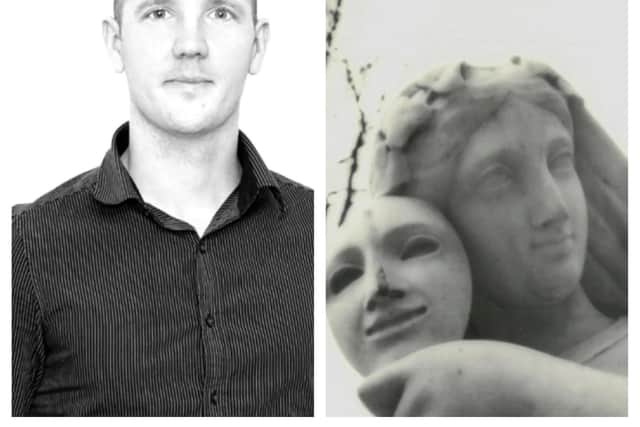

The result was Concentrate, a raw and compelling body of work that uses Polaroid photography, tactile processes, and archival materials to explore themes of neurodivergent identity and acceptance.
He said: “It gave me the freedom to explore my experience of being autistic.
"My idea was to create a series of images that captured the feelings, habits, and traits that are typically associated with autism.
"The series allows a glimpse into things like social issues, meltdowns, anxiety, stimming, sensory overload, and suicidal thoughts.
"Through Concentrate, I wanted to increase awareness around what it’s like to be autistic, at the same time, being a cathartic process for myself. Becoming more self-aware and accepting of who I am is very important, especially as I have no formal autism diagnosis.
He chose to create the collection through Polaroid pictures and said: “I personally find myself drawn to film/Polaroid.
"To me, digital images look flat, whereas film photography has a dynamic range, noise, and a more textured look.
"I also wanted a more tactile media, which would allow people to pick up and look closer at those photos.
"The archival images of my school reports are a glimpse into my school life. Words like ‘needs to concentrate’ were common, yet my grades were high.
"I believe the problem was that I was concentrating too much and the work wasn't challenging enough.
“I didn't have a lot of experience working with instant film, which was perhaps the biggest challenge for me.
"As well as researching the technical side of using instant film, I experimented with manipulating my photos and adding even more texture and layering. I did this with double exposure, by dry lifting the Polaroids and then layering them together, and scratching/marking the instant film as it was developing.”