
733 fires in South Yorkshire sparked by people falling asleep
With the cooler months of autumn upon us and winter fast approaching, the risk of house fires is higher than ever, with house fires most common in December between 6-8pm.
With autumnal fatigue hitting Brits hard with the cold dark months lulling Brits into a slumber whilst cooking, using space heaters and fireplaces to keep homes warm, and with candles burning.
Now, new data from the sleep experts at MattressNextDay have revealed that UK fire and rescue services have responded to 8,323 sleep-related incidents in the UK since 2020.
The experts sent a Freedom of Information (FOI) request to all fire and rescue services in the UK to determine the number of emergency callouts linked to sleep deprivation or fatigue between 2020 and 2025.
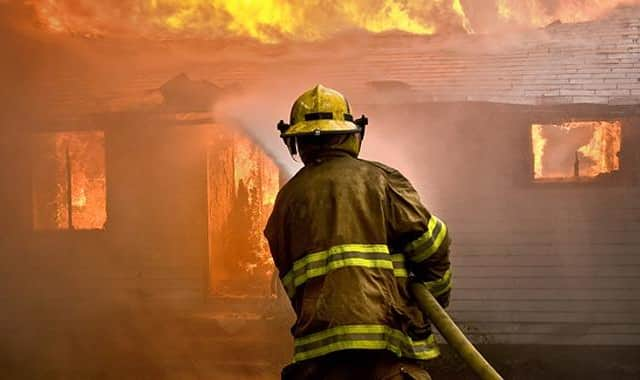

Study highlights:
Emergency services have been called out to 8,323 sleep-related fires across the UK since 2020, equivalent to 4 fires every day
In the first 7 months of 2025, there have been 740 sleep-related fires, equivalent to 105 each month
London Fire Brigade reported the most incidents since 2020 (1,480)
North Yorkshire Fire and Rescue Service have had the highest increase in sleep-related fires between 2020 and 2024, rising by 163%
Here are the fire services which attended the most sleep-related fires since 2020m and the total sleep-related fires (2020-2025)
London Fire Brigade 1,480
South Yorkshire Fire and Rescue Service 733
Greater Manchester Fire and Rescue Service 652
County Durham and Darlington Fire and Rescue Service 429
Northern Ireland Fire and Rescue Service 419
West Yorkshire Fire and Rescue Service 355
South Wales Fire and Rescue Service 318
Merseyside Fire and Rescue Service 267
Devon and Somerset Fire and Rescue Service 263
Tyne and Wear Fire and Rescue Service 234
Dorset and Wiltshire Fire and Rescue Service 232
Essex County Fire and Rescue Service 211
East Sussex Fire and Rescue Service 191
Derbyshire Fire and Rescue Service 172
Norfolk Fire and Rescue Service 167
MattressNextDay’s FOI request revealed that from 2020 to 2025, there have been 8,323 sleep-related fires, equivalent to 4 fires every day. London Fire Brigade responded to the most sleep-related fires in the UK between 2020 and 2025, with 1,480. 2022 was the highest year recorded for sleep-related incidents, with emergency services responding to 301 callouts. This is 31% higher than in 2024, when 209 incidents were recorded.
In London, the most common reason for sleep-related fires is cooking, resulting in 859 incidents - more than 10% of all sleep-related fires in the UK. The London Fire Brigade reports an average of 400 fires caused by frying with oil every year, and in 2023, nearly 10% of fires the brigade responded to were caused by cooking, making this daily activity one of the most hazardous parts of the day.
South Yorkshire Fire and Rescue Service saw a 60% increase in sleep-related incidents between 2020 and 2024
South Yorkshire Fire and Rescue Service were called out to the second–most sleep-related incidents between 2020 and 2025, with 733. Between 2020 and 2024, South Yorkshire Fire and Rescue Service saw a 60% increase in sleep-related incidents, jumping from 89 to 142. Cooking appliances accounted for 178 of these fires, underlining the risks of falling asleep whilst preparing meals, followed by smoking (41).
Greater Manchester Fire and Rescue Service responded to 652 sleep-related incidents since 2020, with 281 incidents involving cooking, accounting for 43% of fires, and 30 incidents involving candles. 2020 was the worst year for sleep-related fires within the area, making up 22% of the fires (144)
Martin Seeley, Senior Sleep Expert at MattressNextDay, shares tips on how to prevent fatigue-related incidents:
“The average Brit incurs 32 hours of ‘sleep debt’ (the difference between how much sleep you need and how much you actually get) a month, which can raise the risk of accidents dramatically. The age-old saying that prevention is better than a cure has never been truer, so it’s key to reduce baseline fatigue by ensuring you’re getting at least 7-8 hours of quality sleep per night, as well as sticking to a routine bedtime and wake time, even on weekends.
Accident risk spikes between the low circadian points of 2-6 am and 2-4 pm; therefore, it’s important to be extra cautious when driving, preparing meals, using candles, or portable heaters during these times. If you can’t avoid these times, spot the warning signs of tiredness early. If you notice yourself frequently yawning, having difficulty focusing, or micronapping (blinking longer than usual), stop what you’re doing immediately.”