
Doncaster photographer raises awareness of loneliness in autistic individuals

Columnist Dean Cook explores isolation in autistic individuals and shares his own experience.
Columnist Dean Cook explores isolation in autistic individuals and shares his own experience.
Loneliness is one of the most overlooked challenges faced by autistic people, particularly children and young people navigating school environments.
While autism is often discussed in terms of communication or sensory differences, the emotional impact of social rejection is far less acknowledged, yet deeply significant.
A landmark study by Noah J. Sasson at the University of Texas found that neurotypical individuals often form negative impressions of autistic people within just three seconds of meeting them.

The reasons behind this rapid rejection varied, but the most common factors included stimming, irregular facial expressions, lack of eye contact, and perceived social awkwardness.
These behaviours, which are simply natural expressions of autistic identity, are frequently misinterpreted as disinterest, rudeness, or simple strange.
The consequences of these snap judgements are profound.
Research consistently shows that autistic people who experience repeated social rejection face higher levels of loneliness, reduced quality of life, and increased vulnerability to mental-health difficulties.
For young people in school, where belonging can feel like everything, these experiences can shape their self-esteem for years to come, well into adulthood.
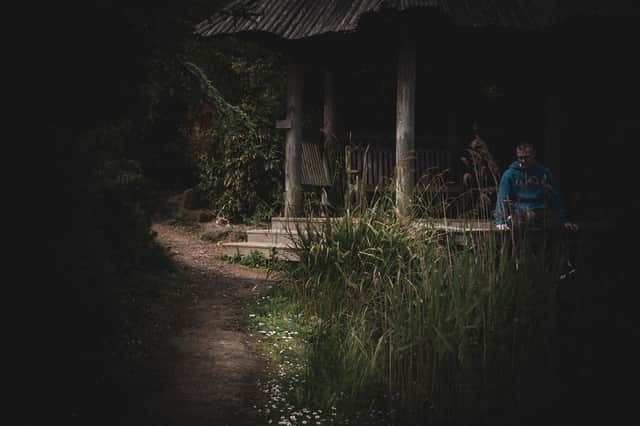
This small collection of photographs was taken to try capture this feeling of social rejection and loneliness.
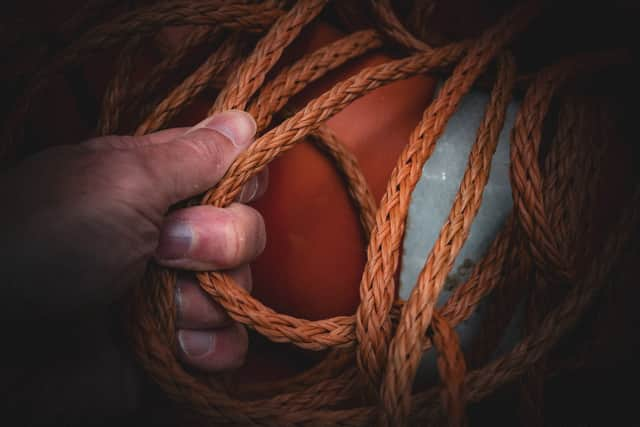
They depict isolation, distance, and the want for inclusion and support, the feelings that many autistic young people know all too well.
While autistic individuals may genuinely enjoy time alone to regulate and decompress, this does not mean they want to be permanently alone. Solitude can be restorative; isolation is not.
The good news is that small intentional actions can make a significant difference.
Schools, peers, and communities can foster inclusion by showing patience, offering genuine invitations to participate, and learning to understand, rather than judge autistic communication styles.
Simple acts of compassion can transform a young person’s school experience, helping them feel valued and excited to go to school, rather than
isolated and worried about it.
With greater awareness and empathy, neurodivergent people can make enormous strides in their wellbeing, education, and future work life. After all, nobody wants to go through school, or step into a workplace feeling alone.