
Dogs at risk as rising temperatures create perfect conditions for deadly toxin in lakes
Scott Cieslar, animal health expert at Mad Barn, says owners should be cautious before allowing their dogs into unfamiliar water sources
Dog owners are being urged to think twice before letting their pets swim in lakes and ponds this summer, as experts warn rising temperatures could increase the risk of dangerous blue-green algae blooms.
With more people heading outdoors during warmer weather, many owners see rivers, ponds and lakes as the perfect place for dogs to cool down.
However, veterinary experts warn that some bodies of water can contain toxic cyanobacteria, commonly known as blue-green algae, which can make dogs seriously ill and can be fatal in severe cases.
Research from the UK Centre for Ecology and Hydrology has found that warmer temperatures, sunlight and nutrient-rich water can create the ideal conditions for blue-green algae to grow, with blooms becoming more common during summer months.
Scott Cieslar, animal health expert at Mad Barn, says owners should be cautious before allowing their dogs into unfamiliar water sources.
“During hot weather, it is completely understandable that owners want to help their dogs cool down, but not every lake or pond is safe for swimming. Blue-green algae can be difficult to identify, and dogs can become exposed simply by drinking contaminated water, swimming through it or licking their fur afterwards.
”The hidden danger in summer lakes and pondsBlue-green algae can appear in lakes, reservoirs and ponds, particularly during periods of warm, sunny weather. Some blooms may look like green paint, thick scum or floating mats on the surface of the water, while others can be harder to spot and may collect around the edges of a pond or lake.Scott says owners should never assume clear-looking water is automatically safe.
“Many people expect dangerous water to look obviously contaminated, but that is not always the case. Dogs explore with their mouths, so even a small amount of contaminated water can become a problem if they drink while swimming or playing.”
He adds that owners should be especially careful around stagnant water during long periods of hot weather.
“Warm conditions can encourage bacteria and algae to multiply quickly. If you are unsure about the quality of the water, the safest option is to keep your dog away.”
Dogs are naturally curious and often investigate new environments by sniffing, drinking and licking objects around them. This behaviour means they can easily come into contact with blue-green algae without owners realising.
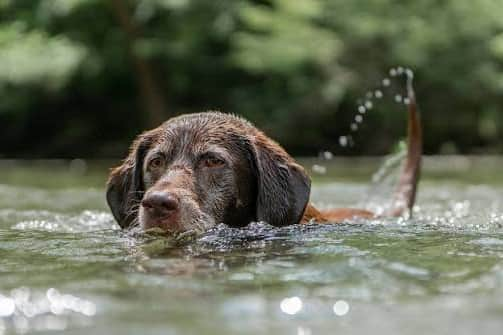

A dog may swallow contaminated water while swimming, drink from the edge of a pond or lick algae from its coat after leaving the water.
Scott says this is why a quick dip can become dangerous.
“Dogs do not understand that certain water sources may be harmful. If they see a lake or pond, many will naturally want to jump in or take a drink. Owners should remember that exposure does not only happen through swimming. A dog grooming itself after a swim can also ingest toxins that are left on its fur.”He adds that some dogs may be more vulnerable than others.
“Puppies, older dogs and animals with existing health problems may have less ability to cope with the effects of toxins, so extra care should be taken.
”The warning signs your dog may have been exposedBlue-green algae poisoning can develop quickly, meaning early recognition is important. Signs can include vomiting, diarrhoea, excessive drooling, weakness, confusion, breathing problems, seizures and collapse.Scott says owners should not wait for symptoms to become severe before seeking help.“
The speed at which symptoms appear can vary depending on the type and amount of toxin involved. If your dog has been near suspicious water and starts acting differently, becomes unwell or shows signs of weakness, contact your vet immediately.”
He also recommends remembering where the exposure happened.“If possible, take a photo of the water source or note where your dog was swimming. This information can help your vet understand what may have happened.
Many owners assume that once their dog leaves the water, the risk has passed. However, experts warn that algae and contaminated water can remain on a dog's coat, paws and mouth, allowing them to ingest toxins later while grooming.
Scott says owners should always check their pets after swimming outdoors.
“After any swim in a lake or pond, owners should take a moment to rinse their dog with clean water, especially if the water looked unusual or had a strong smell. Do not allow your dog to immediately lick their fur dry, as this can increase the chance of swallowing anything harmful that may be left on their coat.”
He adds that carrying fresh water on walks can also reduce the temptation for dogs to drink from unknown sources.
“A bowl of clean drinking water is one of the easiest ways to prevent dogs from turning to ponds or lakes when they become thirsty during warm weather.”
Blue-green algae isn’t the only water threat for dogsMany owners assume that if a lake or pond looks clean, it is safe for their dog to swim in. However, experts warn that outdoor water sources can contain hidden risks, including harmful bacteria such as E. coli, parasites like Giardia, chemical runoff and waste that may not always be visible from the surface.
Warm weather can increase the chance of contamination, particularly in slow-moving or stagnant water. Scott says owners should be cautious about letting dogs swim in unfamiliar areas.
“Blue-green algae is one of the biggest concerns during summer, but it is not the only risk found in lakes and ponds. Water quality can change quickly, and harmful substances are not always obvious just by looking at the surface.
“Dogs can be exposed by drinking the water, swallowing it while swimming or licking their fur and paws afterwards. This is why owners should think carefully before letting pets jump into water they are unfamiliar with.”