
Column: Why autistic girls and women face higher rates of eyelash-plucking trichotillomania

Columnist Dean Cook talks about the connection between autism and Trichotillomania.
Columnist Dean Cook talks about the connection between autism and Trichotillomania. He writes.
Autism and Trichotillomania often intersect in ways that many people don’t talk about, especially for autistic girls and women.
One behaviour that is becoming increasingly recognised is the plucking of eyelashes by hand, often as a response to sensory overload, anxiety, or the need for regulation.
As a parent, this is something I’ve seen first-hand. When my daughter was younger, she went through a stage where she plucked out every eyelash from all four eyelids.
It wasn’t about appearance or attention; it was a sensory behaviour she couldn’t yet understand or control.
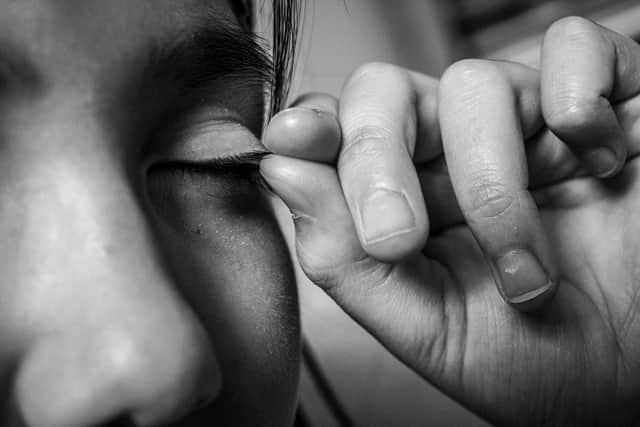

Watching her struggle with this was incredibly hard, but it also opened my eyes to how little awareness there is around this experience for autistic children, especially girls who are often diagnosed later, or not at all.
Trichotillomania can lead to: Irritation or infection of the eyelids, increased sensitivity to dust and light, feelings of shame, embarrassment or confusion.
A cycle of anxiety that makes the urge stronger but with understanding, patience and the right support, things can improve.
Many autistic people find relief through: fidget tools or textured objects that redirect the sensory urge, soft brushes or sensory stroking tools, mindful grounding techniques during moments of overwhelm, supportive conversations that reduce shame and increase understanding, professional guidance when the behaviour becomes distressing or persistent.
These approaches don’t “fix” someone, they simply offer healthier ways to meet the same sensory need.
Raising awareness matters, talking about it matters, and supporting autistic people with compassion, not judgement, matters most of all.