
Doncaster Free Press has a new ‘retro’ section which Colin will be regularly contributing to. Colin used to write for the Free Press’s former sister paper, the Epworth Bells, before it closed.
In the forthcoming pieces we will roam widely in the Isle of Axholme to discover how things were decades ago.
The Domesday Book refers to the Danish settlement of Althorpe as Ali’s thorp and he was probably the Headman of this small
pocket of arable land.
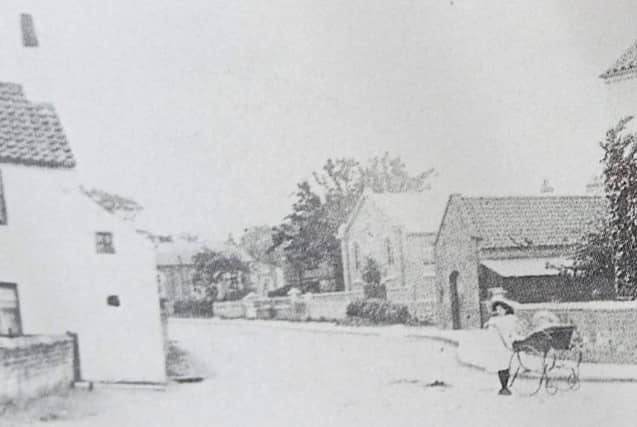
Note Stephenson Memorial Hall, built in recognition of the beneficence of Althorpe, looks to the north and we can again recognise the forge and Manor Farm and Lockwood’s house.
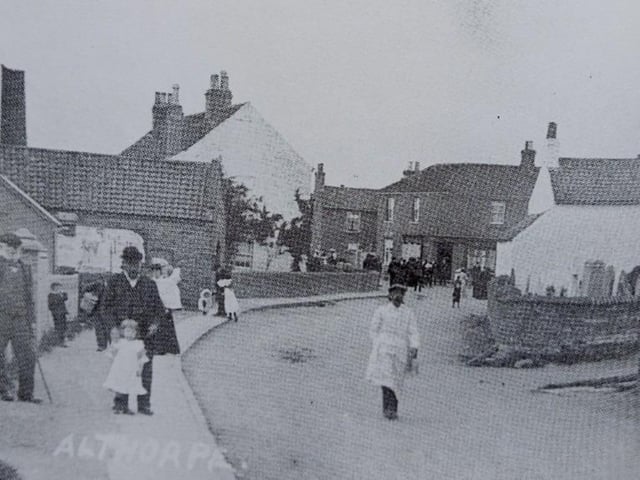
Judging by the number of folk around it may have been the June Fair day, a colourful occasion attended by almost everyone in the village.
It was held on the first Sunday after June 5th and was set out down Dolphin Street off to the right between the white house and the
post office on the corner, the latter, an amenity which regrettable closed in 1995.
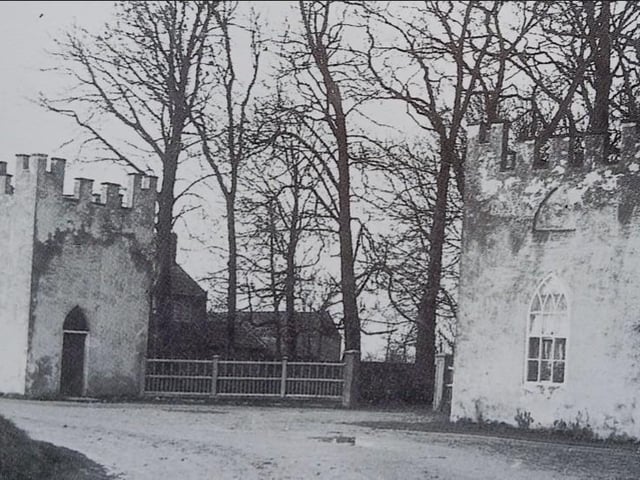
Looking at the attire this may be a Georgian times scene. Moving to Belton what an attractive pictnre is revealed by the two former Norman style castellated entrances lodges to the Temple Belwood estate.
They served as private residences for a while until they were eventually pulled down.
This postcard is stamped Belton. November 11th, and was sent to Adlingfleet from Mary to her grandmother telling her she would
arrive the following day.
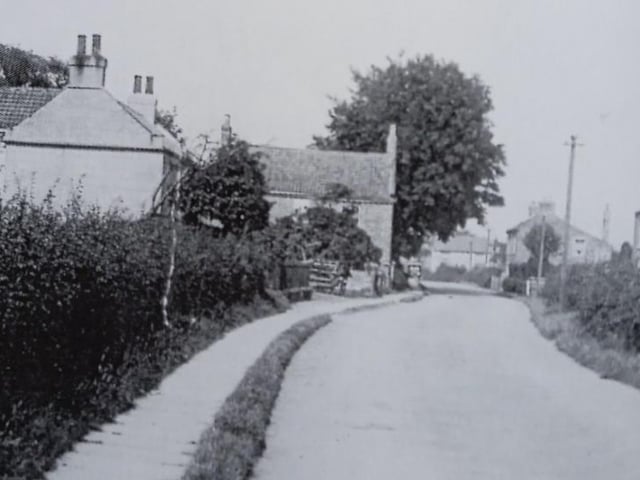
Earlier shots of the Belton High Street view call it Churchtown which nowadays refers specifically to the area around the
church.
The premises first left once housed a Smithy. and PC Blythe, the village constable lived in the next house in the 1920s.
The present general store is roughly in line with the telegraph pole. Earlier cards show a wire fence on the left where a hedge is
shown.
1. Axholme in days gone by
A likely Edwardian shot of Althorpe High Street looking north. Photo: Submitted
2. Axholme in days gone by
The former entrance to Temple Belwood Mansion. Photo: Submitted