
Weight loss surgeries in Doncaster are among the highest in the country
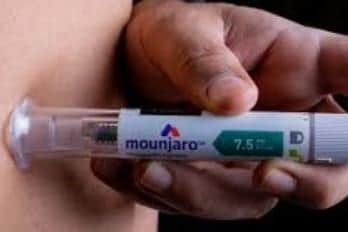
Recent stats reveal that one in five (26.2%) adults in England, aged 18 and over, are estimated to be living with obesity. Despite a boom in life changing medication like Mounjaro, obesity in the UK is yet to be fully tackled.
The weight loss injection experts at Chemist4U analysed the most recent NHS statistics to uncover which parts of England had seen the highest number of hospital admissions for obesity that involved weight loss surgery.
The research from weight loss injection experts Chemist4U discovered that the most recent NHS statistics (2019 to 2020) show the North East of England leading, with the highest number of obesity-related hospital admissions that involve weight loss surgery in a year.
In the North East, there were 9 male and 35 female admissions (per 100k of its corresponding population), with a total of 22 per 100k people – double the 8 per 100k people in the North West. South Tyneside and Sunderland both tie with the highest admissions per 100k of their population at 38. In comparison, Newcastle only saw 10 admissions per 100k people. This is 83% more than the figures per 100k population for all of England.

With NHS England revealing that bariatric surgery costs between £3,000 and £11,505 – it is estimated the North East has cost the NHS between £66k to £253k per 100k of the population in a year in weight loss surgeries alone.
Just behind in second is the West Midlands with 29 female admissions and 7 male (per 100k of its corresponding population), West Midlands saw a total of 18 obesity-related weight loss surgeries in a year per 100k people. In the West Midlands, Stoke-on-Trent had the highest total admissions per 100k of their population, at 34. Birmingham and Solihull had 23 and Coventry had 16. The West Midlands NHS trusts are estimated to have spent between £54k to £207k per 100k people.
Ranking third is London. There were only 17 total obesity-related weight loss surgeries in a year (per 100k of its population). There were 27 female and 7 male admissions per 100k people. The boroughs of Southwark and Lewisham were among the highest, each reporting 37 and 33 (per 100k), while areas like Kensington and Chelsea saw a slightly lower rate per 100k at 13.
In fourth is the South East, recording 23 female and 6 male admissions (per 100k of its corresponding population), resulting in a total rate of 15 obesity-related weight loss surgeries in a year per 100k people. Portsmouth had one of the highest rates in the region at 33 (per 100k), while Southampton reported 20 and Reading reported 17.
Taking fifth is South West, with an overall total of 10 obesity-related weight loss surgeries in a year per 100k of its population. This translated to 17 female and 4 male admissions per 100k people. Interestingly, Cornwall had the highest rates in the region at 21 (per 100k), whilst Somerset reported 14 and Bournemouth, Christchurch and Poole reported just 10.
Rounding off the ranking is the East Midlands, recording 12 female and 3 male admissions (per 100k of its corresponding population) resulting in a total all persons rate of 7 obesity-related weight loss surgeries in a year per 100k of its population. Northamptonshire had one of the highest rates in the region at 11 (per 100k), whilst Nottingham reported 6 and Leicester reported just 3.
Jason Murphy, Head of Pharmacy at Chemist4U comments: “This NHS data shows a clear regional disproportion in those needing bariatric surgeries across England, with the highest rates in the North East and West Midlands. Regional differences in diets across England are usually influenced by factors like local food environments, cultural preferences and income. The North of England is suggested to be one of the least healthy, with lower consumption of fruits and vegetables and higher consumption of less healthy food options, such as fast food and processed meals.
“Interestingly, the results show that in every region, women are significantly more likely to undergo bariatric surgery than men, despite Gov data revealing obesity was higher in men in the UK. This suggests there are differing healthcare-seeking behaviours, with women more likely to tackle weight-related health issues through medical intervention, whilst men are less inclined to pursue surgical solutions.
Doncaster is among the places in England turning to weight loss surgery the most with admissions in Doncaster per 100,000 of population at 15 men and 52 women.
South Tyneside and Sunderland, situated in the North East of England, are scheduling weight loss surgery the most, with the highest admissions per 100k of their population at 38. In South Tyneside, they reported 56 female and 18 male admissions (per 100k of its corresponding population and in Sunderland, 56 female admissions and 17 male.
Jason Murphy, Head of Pharmacy at Chemist4U concludes: “With improved access to life-changing drugs like Mounjaro, obesity in the UK could look very different in the next couple of years. GLP-1 drugs act on the brain’s appetite control centres, helping suppress appetite. They delay how quickly food leaves the stomach, not to mention help lower blood sugar and reduce inflammation which addresses the widest health risks linked to obesity.
GLP-1 agonists work by not just helping patients control what they eat, but by treating obesity as a chronic biological condition, rather than a failure of willpower.”