
Half of women in Doncaster opt for long-acting contraceptives
Half of women in Doncaster opt for long-acting contraceptives, new figures show, as pill uptake declines across England.
MSI Reproductive Choices, a non-government organisation providing reproductive healthcare, said the popularity of long-acting methods (LARCs) could be linked to difficulties in accessing GP surgeries and sexual health clinics.
September 26 is World Contraception Day, which aims to raise awareness about contraceptive options and empower people to make informed choices about their reproductive health.
NHS figures show 49% of the 2,102 women in Doncaster using contraception in 2023-24 opted for a long-acting reversible contraception – which includes the non-hormonal copper coil, hormonal coil, and the hormonal implant.
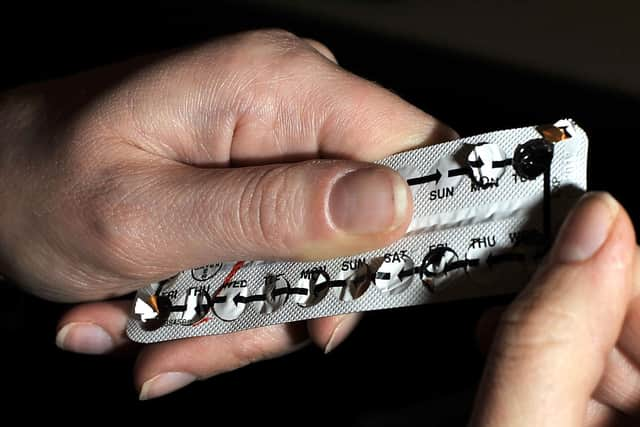

At the same time, 38 per cent were using the pill last year.
The figures have been gathered from sexual health services, though people may also obtain contraceptives from other sources, such as their GP or directly from pharmacies where available.
Across England, there has been a shift towards long-acting contraception, with the uptake rising by nearly a quarter since the pandemic, reaching 54 per cent in 2023-24. Meanwhile, pill use dropped from 39 per cent to 28 per cent over the same period.
Tanya Lane, MSI UK’s clinical excellence lead for Contraception and Sexual Health, said: “To realise the aims of World Contraception Day and empower young people with reproductive choice we need to listen to what they are telling us about the contraceptive methods that they want and need.
“These figures show a significant increase in the popularity of long-acting methods, which may reflect the difficulty many are finding accessing GP surgeries and sexual health clinics.
“LARC methods can last up to 10 years depending on which method is chosen, so you can fit and forget without the need for repeat appointments or trips to the pharmacy.”
Ms Lane said another factor could be the rise in popularity of social media platforms like TikTok, which has seen more people sharing their experiences, both negative and positive, about different forms of contraception.
She added the cost of living crisis could also be a driver, as many people are choosing to delay having children.
The figures also show a rise in abortion-related contacts with sexual and reproductive services across the country, reaching 271,000 in 2023-24 – almost seven times the 40,000 contacts recorded in 2018-19. Of these, around 1,155 were in Doncaster.
Meanwhile, sexual and reproductive services provided 94,000 emergency contraceptives to women across the country last year.
About 485 were given in Doncaster, including 115 to under-16s.
Ms Lane said: “There's rarely one isolated reason why someone has an abortion but we are hearing more and more stories from the people accessing our services about how their financial situation is playing a bigger part in that decision.”
MSI UK has also seen a large increase in the number of men using its vasectomy services.
“Finding the right contraception is life changing, and we need to be more responsive and ready to support people with the information they need to find the method that is right for their life and lifestyle,” Ms Lane added.