
Doncaster Urgent Care Centre (UCC) requires improvement and was rated inadequate for safety following inspection
Doncaster Urgent Care Centre (UCC) requires improvement and was rated inadequate for safety following an inspection by the Care Quality Commission (CQC).
Doncaster UCC is an urgent treatment centre provided by FCMS NW Limited, under a contract held with NHS England, and was inspected on December 9-10 2025.
It is co-located with the urgent and emergency care department at Doncaster Royal Infirmary which is provided by Doncaster and Bassetlaw Teaching Hospitals NHS Foundation Trust.
Five categories were rated – Safe, Effective, Caring, Responsive, and Well-led. All required improvement, except Safe which was deemed inadequate.
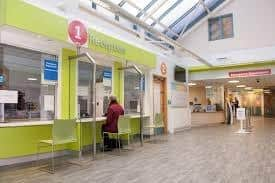

The report states: “The service lacked a good learning culture and people did not always feel able to raise concerns. Managers investigated incidents but did not use this to inform wider learning and drive improvements.
“People were not always protected and kept safe.
“Staff understood and managed risks, but they did not always feel that escalation of those risks resulted in positive changes. The facilities and equipment did not meet the needs of people, the environment was not always clean and well-maintained, and risks were not mitigated.
“There were not enough staff with the right skills, qualifications and experience. Managers made sure staff received training and appraisals, but not all clinicians benefitted from the same standard or regularity of competency checks. Medicines were not well managed.”
Assessments took account of people’s communication, personal and health needs. Care was typically based on latest evidence and good practice, but not consistently. During the assessment, inspectors identified serious concerns regarding the operation and oversight of the provider’s streaming and initial triage process, which had not been identified as a risk.
An ineffective streaming and triage process poses a significant risk to service users as they may not receive the care and treatment they require, in a timeframe that is appropriate for their condition. The report continued: “Staff protected the privacy and dignity of patients where possible. The service aspired to support staff wellbeing, but staff did not always feel listened to. The physical environment was hot and there was a significant lack of privacy, especially at busy times. “The service did not always provide information in a way that people could understand. People knew how to give feedback about their care and treatment. There were delays in care and treatment and the provider was trying to address this through a newly implemented streaming protocol. Some staff we spoke to did not feel equipped to deliver this without supporting governance. “Leaders had a vision and culture to nurture an environment of inspiration, innovation and disruption so that the people within our world receive exceptional care for this generation and the next.
“Leaders were not always visible, or knowledgeable in clinical matters. Locally, managers were supportive, helping staff develop in their roles. Staff reported that they did not always feel supported to give feedback without fear of bullying or harassment. Staff understood their roles and responsibilities. There was an aspiration of continuous improvement, but staff were not given time and resources to try new ideas.”
Inspectors found breaches of regulation in relation to Regulation 12 Safe Care and Treatment and Regulation 17 Good Governance. They asked the provider to take prompt action to address the concerns identified during this assessment.
People gave mixed opinions about the quality of their care and treatment. Recent survey results, including from NHS Friends and Family Test, showed people were satisfied with services. The service collected patient experience feedback through the Friends and Family Test (FFT), sent automatically via SMS following patient contact.
While responses were anonymous and could not be actioned individually, aggregated themes were reviewed internally and were included within monthly reporting to the Integrated Care Board and Clinical Governance Meetings.
Over the previous 12 months, feedback had been predominantly positive, particularly in relation to staff professionalism, communication, clinical explanations and the kindness and reassurance provided by clinicians and nursing staff. Negative feedback mainly related to waiting times, communication at reception, and situations where patients’ expectations exceeded the scope of the service (e.g. blood tests).
The report concluded: “It was difficult for CQC to take direct feedback from patients on the day of our site visit, due to the busyness and lack of privacy in the waiting areas.”
The Free Press asked provider FCMS NW Limited if the rating of inadequate meant the service was unsafe, the response was: “Thank you for contacting us regarding your article, FCMS will not be commenting at this time other than to say that the Doncaster UTC has not been rated as unsafe.”